Salt, Spice, and Cured Fat: Navigating the Inland World of Sobrassada
Venture into the heart of the Pla de Mallorca to discover how climate and the indigenous Porc Negre create the world's most luxurious spreadable chorizo. · 11 min read
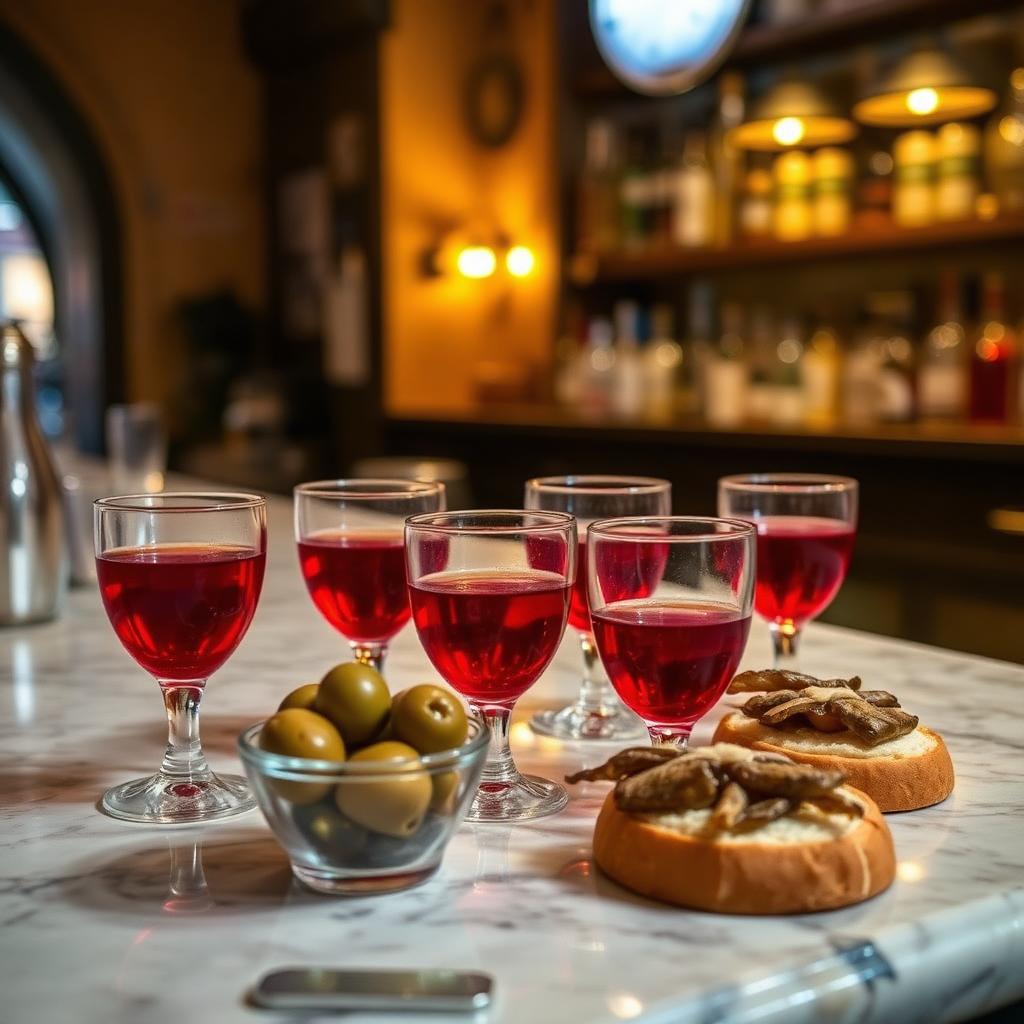
In the cool, damp cellars of the Mallorcan interior, a transformation occurs that defines the island's culinary identity. Sobrassada is not merely a sausage; it is a raw, cured spreadable pâté made from the finest cuts of pork, seasoned with salt, black pepper, and a generous amount of tap de cortí paprika. This indigenous pepper variety provides the characteristic deep red hue and a subtle, honey-toned heat. Unlike Spanish chorizo, sobrassada is cured slowly in the island's unique humidity, allowing the fats to break down into a buttery consistency that melts over warm 'pa de pagès'. Understanding this product requires a journey to the markets of Sineu and the curing rooms of Felanitx.
The Sineu Market Ritual
Every Wednesday morning, the town of Sineu transforms into the island’s most significant agricultural hub. This is the only market where livestock is still traded, and it is the best place to source 'Sobrassada de Mallorca de Porc Negre'. Look for the black string, which signifies that the meat comes from the indigenous black pig, a breed that roams freely under carob and almond trees. Avoid the bright orange, sweat-beaded varieties found in tourist shops; instead, look for the darker, more rustic skins that indicate a longer curing process in a natural 'celler'.
- Sineu market runs from 08:00 to 14:00; arrive by 09:00 via the TIB T3 train from Palma to avoid the heaviest coach tour crowds.
- Expect to pay between 15 EUR and 28 EUR per kilogram for high-quality Porc Negre sobrassada, depending on the age and specific cut used.
- Visit the stand of Can Company, a producer known for their ethical treatment of pigs and exceptional attention to the paprika quality.
- Look for the 'Cular' or 'Bufeta' varieties; these are cured in larger casings and offer a more complex, funky flavor due to the longer aging time.
- Pair your purchase with a jar of local honey, as the classic Mallorcan way to eat sobrassada is spread on bread and drizzled with sweetness.
- The market also features exceptional local cheeses, particularly those from the Formatges Burguera dairy located near Ses Salines.
The Paprika Connection
Without the Tap de Cortí pepper, sobrassada would just be meat. The pepper is the preservative, the color, and the soul of our winter pantry. — Coloma, Local Market Vender
Artisanal Cheese of the South
While Menorca is famous for its Mahón cheese, Mallorca has its own burgeoning artisanal cheese scene. In the south, near Campos and Ses Salines, the cows and goats graze on salt-tinged pastures, producing milk with a distinct mineral profile. Producers like Formatges Burguera offer farm tours where you can see the semi-soft goats' cheese being rubbed with olive oil or paprika during the ripening process. These cheeses provide the perfect acidic counterpoint to the rich, fatty notes of the cured pork products.
Cooking with the Red Gold
Sobrassada is as much an ingredient as it is a snack. In the mountain villages of the Tramuntana, you will find it stirred into 'arròs brut' (dirty rice) to add depth, or stuffed into squid in the coastal towns like Portocolom. One of the most sophisticated ways to enjoy it is ‘Sobrassada amb Mel’ (with honey), served hot on a toasted slice of rustic bread. The heat releases the pork fat, which emulsifies with the honey to create a sauce that is both decadent and intensely savory.
- Visit Can Majoral in Algaida for a tasting of their organic wines paired with aged sobrassada and local olives.
- Price for a tasting flight of wine and charcuterie is roughly 20-25 EUR per person, and booking 48 hours in advance is recommended.
- Check the labels for the IGP Sobrassada de Mallorca logo—a circular red and yellow seal that guarantees the product's origin and quality.
- In Palma, the Mercat de l'Olivar (open 07:00-14:30) is the best indoor alternative for finding premium charcuterie without driving to Sineu.
- Try the 'Talle de Formatge' at small village bars; it is a simple plate of local cheese, often served with 'quelitas' (savory local crackers).
- Be aware that sobrassada is a raw product; while safe to eat due to the curing process, it has a very different texture to cooked sausages.
The Black Pig Legacy
The Porc Negre Mallorquí was nearly extinct by the 1970s, but a dedicated group of farmers saved the breed. These pigs are slower to mature and carry more intramuscular fat than white pigs, which is exactly why the island's charcuterie tastes so unique. Driving through the Ma-3201 between Algaida and Pina, you can often see these charcoal-colored animals foraging under the trees. Their diet of acorns, figs, and carob pods is directly responsible for the nutty, complex notes found in the fat of the sobrassada.
A Summer Variation
During the searing heat of August, the islanders turn to 'Camaiot'. This is another traditional cold cut, made from pork leg and shoulder meat, chopped coarsely and stuffed into the pig’s skin before being boiled and then hung. It is less fatty than sobrassada and has a firm, almost steak-like texture. It is the go-to protein for a summer picnic at the beach, often served with a 'Pamboli' of tomato and olive oil.
Bringing it Home
When buying to take home, ensure the sobrassada is vacuum-sealed by the vendor. Most butchers in the Mercat de l'Olivar or Mercat de Santa Catalina will do this for you at no extra charge. It will last for months in a cool environment, continuing to develop flavor as it ages. The cheese, particularly the harder varieties from Campos, also travels well and serves as a pungent reminder of the sun-baked Mallorcan plains long after your journey has ended.
Whether you are browsing the stalls at Sineu or dining in a high-end Palma bistro, look for the black pig logo—the mark of a culture that refuses to compromise on its culinary heritage.