Stone and Sea: The Ultimate Guide to Deep Water Soloing in Mallorca
Mallorca is the birthplace of Psicobloc, where the world’s best climbers come to test themselves against the gravity-defying limestone of Es Pontas and Porto Cristo. · 10 min read
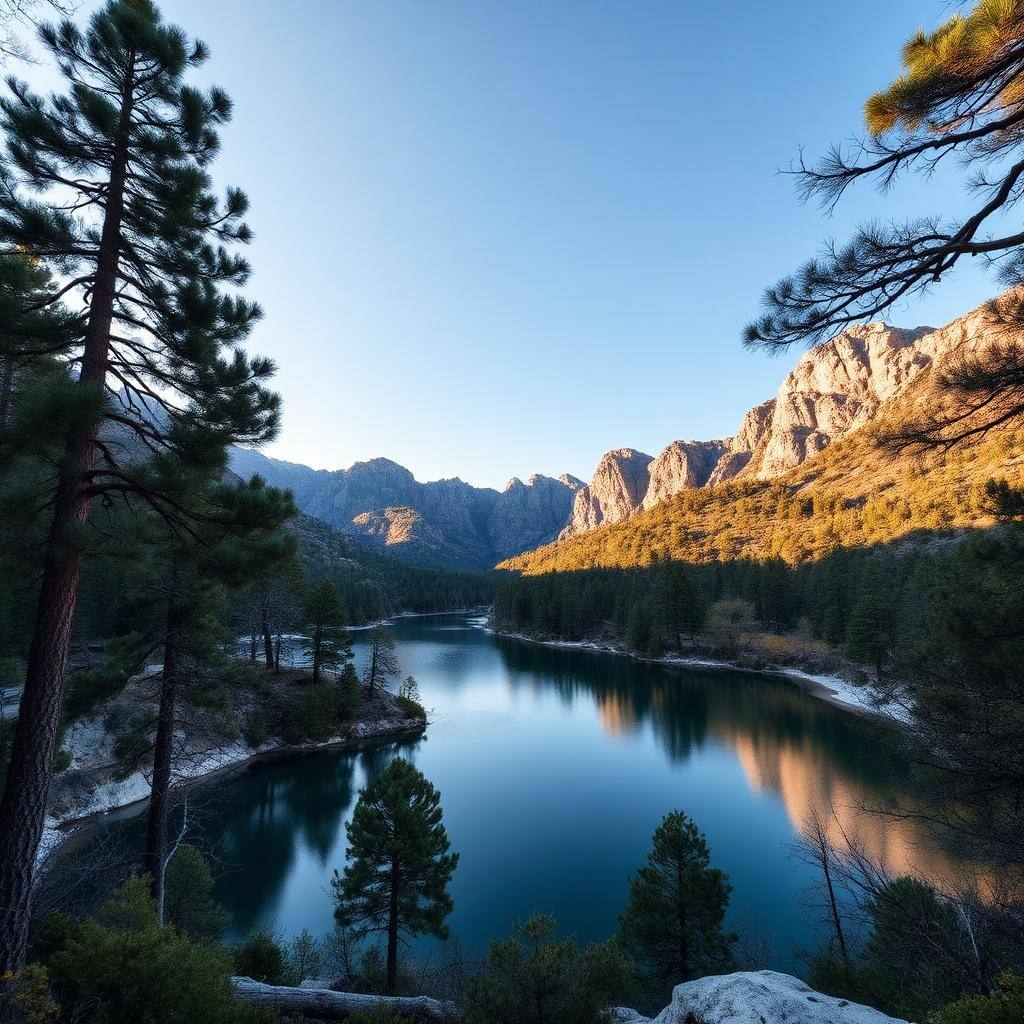
For the global climbing community, Mallorca is synonymous with Psicobloc—deep water soloing (DWS). This discipline, which involves climbing sea cliffs without ropes and using the deep ocean as your crash pad, was pioneered and popularized here by local legends and visitors like Chris Sharma. However, the island's offering extends far beyond the adrenaline-spike of the coast. Inland, the limestone crags of the Serra de Tramuntana provide a lifetime of sport climbing, ranging from beginner-friendly slabs to overhanging 9a monsters that challenge the world's elite.
The Legend of Es Pontas
Located on the coastline near Santanyí, Es Pontas is a colossal natural stone arch rising from the turquoise sea. It is the site of the world's most famous DWS route, a stunning 9a+ line. While very few will ever attempt the main arch, the area around it serves as a spectator sport in itself. For mortals, the nearby cliffs offer more accessible routes. Climbing here is as much about the environment—the sound of crashing waves and the scent of salt—as it is about the physical movement on the rock.
- Access to Es Pontas is a 15-minute walk from the residential area of Cala Santanyí; follow the 'Carrer de la Penya' to the cliff edge.
- Water depth must be checked personally before every session; tides are minimal but swell and shifting sand can change the safety of the 'landing' zone.
- The best time for DWS is from late August to October when the sea is at its warmest (25C), reducing the shock of the inevitable fall.
- Ensure you have a 'dry bag' for your chalk and shoes; most serious soloists bring two pairs of shoes so one can dry while they use the other.
- Cova del Diable near Porto Cristo is another premier spot, offering long, sustained traverses around 15-20 metres high.
- Hire a small motorboat from Portocolom (approx 150 EUR/day) to access the more remote cliffs and provide a 'rescue' platform for your climbing partner.
Sport Climbing in the Tramuntana
If DWS is too high-stakes, the island's inland crags offer some of the best sport climbing in Europe. Sa Gubia, a vast natural amphitheatre near Bunyola, is the largest sector on the island. It features everything from multi-pitch adventures to short, powerful sport routes. The rock is high-quality limestone, often characterized by 'tufas'—vertical organ-pipe structures—and sharp crimps that require strong fingers and precise footwork.
The Fragile Beauty of Fraguel
Fraguel is perhaps the most famous high-grade sport crag on the island, located in a beautiful valley near Bunyola. It is an overhanging cave system that stays dry during rain, making it a winter staple. The routes here are iconic, but because of its fame, the more popular lines have become 'polished'—the rock has become slippery from the sweat and rubber of thousands of climbers. Using a high-quality liquid chalk and climbing in the cooler morning hours can help mitigate this.
In Mallorca, the rock and the sea are engaged in a constant dialogue. As a climber, you're just eavesdropping on that conversation. — Miquel Riera (The father of Psicobloc)
Essential Gear and Planning
Mallorca is a year-round climbing destination, but the 'golden months' are October to April. In summer, the heat makes climbing inland almost impossible unless you find a North-facing crag like the higher sectors of Puig de Garrafa.
- A 70 or 80-metre rope is essential for many of the newer, longer sport routes in sectors like Forada or Chorreras.
- Bring 15 to 18 quickdraws; some of the pitches are 35 metres long and require significant gear to stay safe.
- The 'Mallorca: Sport Climbing' guidebook by Rockfax is the industry standard and contains high-quality topos and GPS coordinates for all major crags.
- Car rental is non-negotiable for climbers; most crags are 2-5 kilometres from the nearest bus stop and require driving up steep, narrow tracks.
- Local climbing shops like Foracorda in Palma offer gear rentals and can resole your climbing shoes if they get shredded by the sharp limestone.
- Join the local climbing gym, 'Es Cau' in Palma, for a day session to meet the local community and get beta on the latest conditions.
Beginner Spots: Grauet and Valldemossa
For those new to the sport, sectors like S'Guanat or early-morning sessions at Valldemossa offer a range of routes in the 4 to 5+ grade. These areas are well-bolted and have clear paths, making them less intimidating than the coastal cliffs. Climbing with a local guide is highly recommended for beginners; prices usually range from 180 EUR for a half-day private session for two people, including all gear and instruction.
Whether you are falling into the deep blue of Porto Cristo or clipping bolts high above the Sóller valley, climbing in Mallorca is a masterclass in the island's wilder side. It is a sport that demands patience, respect for the environment, and a willingness to embrace the vertical. From the sharpest limestone crimp to the final plunge into the Mediterranean, the island offers an outdoor experience that is as visceral as it is visually stunning.