Paddle and Plunge: The Essential Guide to Mallorca’s Sea Kayaking
Exploring Mallorca's coastline at water level reveals a hidden world of sea caves, arches, and azure swimming holes inaccessible to hikers and yachts alike. · 9 min read
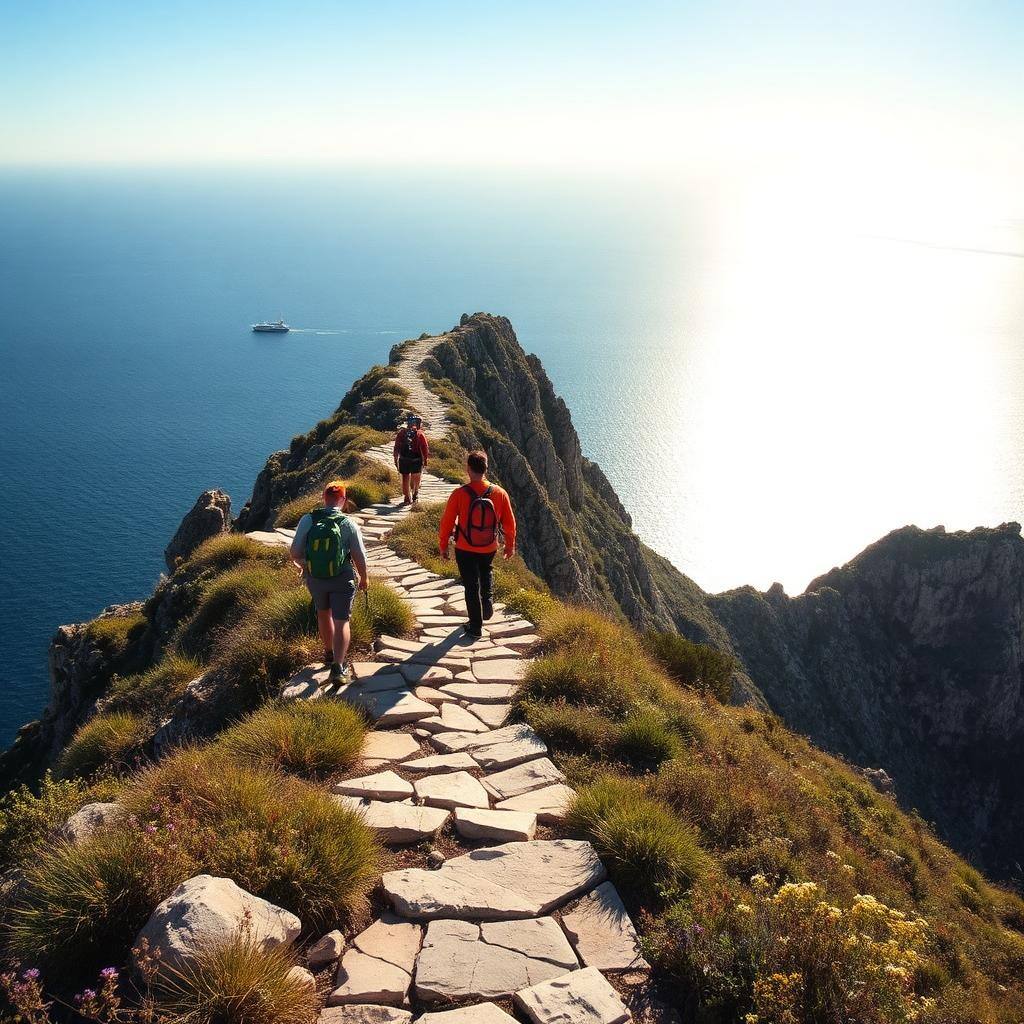
While the interior of Mallorca is dominated by mountains, its edges are defined by a limestone coastline that has been eroded into a Swiss cheese of caves, tunnels, and natural arches. For those willing to put in the physical effort, sea kayaking and Stand-Up Paddling (SUP) offer a level of intimacy with the island’s geology that no other sport can match. From the calm, shallow waters of the Bay of Pollença to the more challenging swells around the Dragonera channel, the island provides a diverse aquatic playground for both novices and seasoned paddlers.
The Caves of Port de Pollença
The northern coastline near Alcúdia and Pollença is perhaps the most rewarding for kayakers. The sheltered bay provides a safe environment for beginners, while the outer cliffs of the 'La Victoria' peninsula offer advanced routes into deep-sea caves. Kayaking here allows you to explore the 'Cova Blava' (Blue Cave) of the north, where the light refracting through the water creates an ethereal neon glow on the limestone walls that is best seen between 10 AM and noon.
- Rentals are available from several operators on the Port de Pollença beach front, with rates starting at 20 EUR for two hours in a double kayak.
- A guided four-hour tour to the sea caves usually costs around 55 EUR, including all safety gear, a waterproof bag, and a local guide.
- The water temperature in May is a refreshing 18 degrees Celsius, rising to a bath-like 26 degrees in August, making snorkeling breaks essential.
- Look out for the 'Es Pontet' rock formation—a natural stone bridge that is wide enough to paddle through on calm days.
- Keep an eye on the wind; the north wind (Tramuntana) can make the return journey to Port de Pollença significantly more difficult.
- Snorkeling gear is often provided, but bringing your own allows you to explore the seagrass meadows where octopus and sea bream are common.
Dragonera and the West Coast
For the more adventurous, the crossing from Sant Elm to Sa Dragonera is a classic route. It is only 800 metres wide, but the current in the 'Es Freu' channel can be deceptively strong. Once at the island—a protected natural park—you can paddle along its sheltered eastern flank, exploring the high cliffs where Eleonora's falcons nest. The sense of isolation here, so close to the mainland, is profound and represents the wilder side of Mallorcan watersports.
SUP and Early Morning Glass
Stand-Up Paddling has seen an explosion in popularity in the Bay of Palma. The ideal conditions occur at sunrise when the sea is 'glassy'—smooth and mirror-like before the afternoon sea breeze (the Embat) kicks in. Paddling from Can Pastilla towards the Cathedral of Palma provides a unique architectural perspective, allowing you to see the city's ancient walls rising directly from the Mediterranean line as you glide across the surface.
To paddle the coast is to see how the island was discovered: one cove at a time, away from the noise of the interior. — Joan, Kayak Instructor in Santanyí
Practical Considerations for Paddlers
Safety on the water is paramount. While the Mediterranean looks benign, it can change within thirty minutes. Always check the Marine Forecast (available via the AEMET website) and inform someone on land of your planned route and expected return time.
- A high-SPF waterproof sunscreen is mandatory; the reflection off the water doubles your UV exposure during a three-hour paddle.
- Check for 'Medusas' (jellyfish) warnings; the Pelagia noctiluca can occasionally swarm in the summer months, making snorkeling inadvisable.
- Most rental shops require you to be back by sunset, which is around 9 PM in July and 5:30 PM in December.
- Wear a life vest (PFD) at all times, even if you are a strong swimmer; it is the law for commercial rentals in Spanish waters.
- Waterproof phone cases are essential, but also carry a whistle for emergency signalling in case you drift beyond the swimming zones.
- Respect the yellow 'swimming zone' buoys; motorized vessels are disallowed within 200m of the shore, but you must stay alert for speedboats outside this line.
Southern Secrets: Cala Beltran
Hidden just a short paddle away from the popular Cala Pi, Cala Beltran is a winding, snake-like inlet that most tourists never find. It looks like a miniature fjord with white limestone walls and turquoise water. Because it is so narrow and has no beach at the end, it remains virtually empty. It is the perfect place to practice techincal paddling or to simply sit in the silence and watch the lizards scurry along the rocks above.
Whether you are chasing the adrenaline of a cave exploration or the meditative peace of a sunrise SUP session, Mallorca’s watersports scene offers an escape from the terrestrial crowds. The salt on your skin and the rhythmic sound of your blade hitting the water provide a sensory connection to the island that stays with you long after the sun has set over the Tramuntana.