Indigenous Vines and Iron Soil: A Viticultural Journey Through Binissalem
Escape the coastal resorts to explore the red-earth vineyards of central Mallorca, where Manto Negro and Prensal Blanc grapes are staging a world-class comeback. · 13 min read
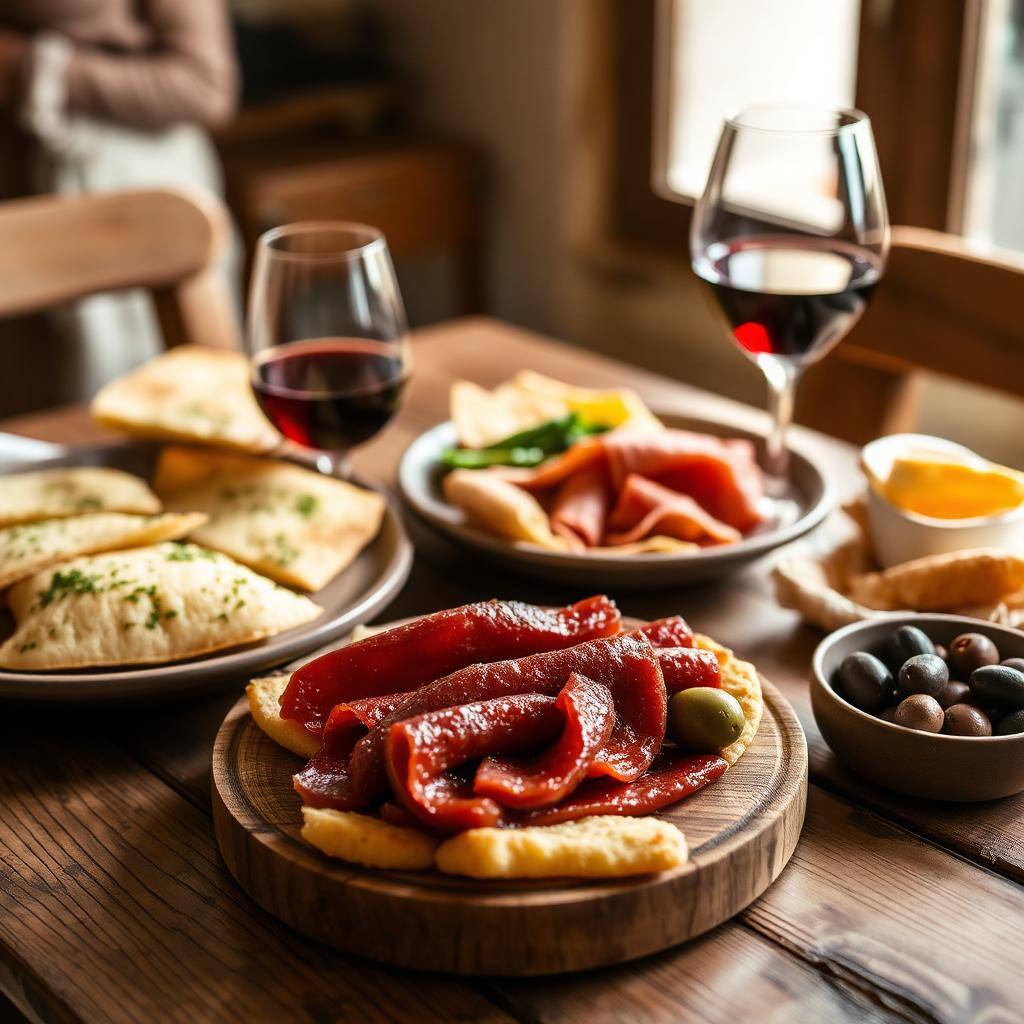
Mallorca’s wine history is one of spectacular ruin and triumphant rebirth. In the late 19th century, the phylloxera plague decimated the island's vineyards, leading many farmers to pivot to almonds. However, the last two decades have seen a radical shift toward quality, with a focus on indigenous grapes that can withstand the increasingly hot Mediterranean summers. The DO Binissalem, nestled in the shadow of the Tramuntana mountains, is the island's most prestigious wine region. Here, the 'call vermell' (red clay soil) rich in iron provides the perfect foundation for Manto Negro, a grape that produces aromatic, light-colored reds with surprising aging potential and a distinct wild-berry profile.
The Heartland: Binissalem and Santa Maria
The axis between the towns of Santa Maria del Camí and Binissalem is the pulse of the island's wine industry. Many of the bodegas here are housed in grand stone houses that have been in the same families for generations. Macià Batle is perhaps the most famous, known for its large-scale production and commitment to local art on its labels. However, for a more intimate experience, one should seek out smaller producers like Vins Nadal, where the fermentation takes place in a renovated cellar right in the center of the village. The town itself wakes up on Sundays for one of the island's best markets, followed by wine-soaked lunches at local cellars.
- Macià Batle in Santa Maria is open for tours and tastings from 09:00 to 18:00 daily; basic tours with four wines cost around 15 EUR.
- Take the TIB T2 train from Palma’s Intermodal Station to Binissalem; the journey is 25 minutes and costs less than 4 EUR.
- Vins Nadal on Carrer de Ramon Llull offers unique evening tastings often paired with live jazz or classical music during the summer months.
- Look for wines made from 100% Manto Negro for a true taste of the region's character—they are often compared to Pinot Noir for their elegance.
- Prensal Blanc is the primary white grape, offering refreshing acidity and citrus notes, perfect for pairing with the island's seafood.
- Bodega Ribas in Consell is the oldest on the island (est. 1711) and requires booking at least a week in advance for their premium tours.
The Rare and the Rescued
We are no longer making bulk wine for the tourists; we are making expressions of the red earth and the mountain air that surrounds our vines. — Esperança Nadal, Oenologist
Pla i Llevant: The Eastern Frontier
While Binissalem holds the prestige, the DO Pla i Llevant (Plains and East) is the hotbed of innovation. Producers here like Miquel Gelabert near Manacor are experimenting with over 30 different grape varieties, blending Callet and Fogoneu with international varietals like Syrah and Cabernet Sauvignon. The result is a more robust, full-bodied style of wine that reflects the warmer coastal climate. A visit to this region often feels more agricultural and less manicured than the areas closer to Palma, offering a glimpse into the hardworking heart of the island's rural interior.
Where to Drink in Palma
For those who don't want to leave the capital, Palma's wine bar scene is thriving. Wineing in the La Lonja district offers a self-service system where you can try small pours of dozens of high-end Mallorcan wines. Better still is La Sang, a natural wine bar that focuses on low-intervention producers from the island and beyond. Here, the sommeliers can explain exactly which small-batch producers are currently pushing the boundaries of what Mallorcan wine can be, often pouring bottles that never make it to the international market.
- Wineing on Carrer de Apuntadors allows you to sample glasses ranging from 3 EUR to 15 EUR via a pre-paid card system.
- La Sang on Carrer de l'Antic Estudi General is the place for natural wine enthusiasts; open from 18:00 until late.
- Look for producers like 4 Kilos or Eloi Cedó (Sistema Vinari) for labels that are challenging the traditional DO structures.
- L'Avi Bar in the Santa Catalina neighborhood serves excellent local wines alongside traditional tapas in a refurbished garage setting.
- Prices for a good bottle of local wine in a supermarket like Agromart are around 10-18 EUR; in a bar, expect 25-45 EUR.
- Ask for 'vi de la terra Mallorca' if you want to support wines made on the island but outside the specific DO regulations.
The Forgotten Varieties
Beyond Manto Negro and Callet, a new generation of winemakers is reviving nearly extinct grapes like Gorgollassa and Giró Ros. Gorgollassa produces wines with high acidity and bright red fruit, while Giró Ros is a white grape that produces rich, textured wines with hints of stone fruit and spice. These varieties were almost lost during the prioritization of high-yield vines, but their return marks a new chapter in the island's quest for a unique viticultural identity that can compete on the global stage.
The Celler Experience
To eat in a 'celler' is to dine in history. In towns like Petra or Sineu, these former wine warehouses have been converted into restaurants. Huge wooden barrels still line the walls, and the menu usually focuses on heavy, traditional fare like 'fregit mallorquí' or 'porcella'. It is the best environment to drink the house 'vi de pagès', which is often served in simple carafes and represents the honest, everyday wine culture of the island.
The Future of the Island's Vines
Sustainability and climate change are the biggest challenges facing Mallorcan viticulture today. Many producers are moving toward organic and biodynamic practices to preserve the soil and reduce water usage. This shift isn't just ethical; it's producing better wines. The increased focus on timing the harvest perfectly and using gentle pressing techniques is resulting in wines that are more balanced and less 'jammy' than the powerhouse reds of the past decades.
Whether you are a casual enthusiast or a serious collector, Mallorca's wine scene offers a depth and variety that belies its small size. It is a landscape best explored one glass at a time, preferably with a view of the sun setting behind the Galatzó peak.