A Culinarain's Guide to Mastering Palma's Food Scene for Less
Ditch the expensive Paseo del Borne terraces for authentic 'Menú del Día' gems and lively neighbourhood markets where the locals actually eat without spending a fortune. · 12 min read
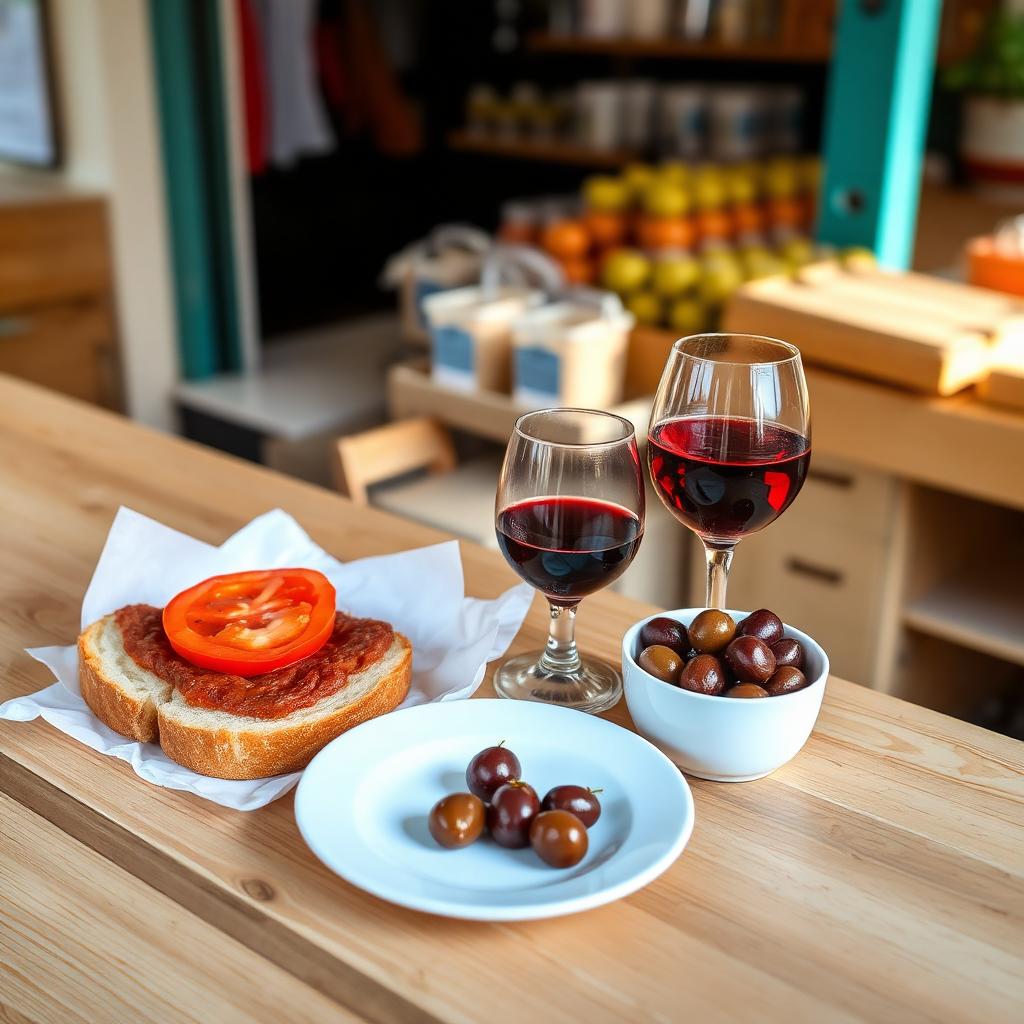
Palma manages to balance its reputation as a high-end maritime playground with a deeply rooted culture of affordable, honest cooking. While the yachts in the harbour suggest otherwise, the city's backstreets are filled with traditional 'cellers' and modern bistros offering incredible value. Navigating this landscape requires ignoring the glossy menus translated into five languages and instead looking for the handwritten chalkboards found between 1:00 PM and 3:30 PM. This is the hour of the Menú del Día, a three-course institution that remains the most effective way to experience Mallorcan flavours without the hefty dinner price tag.
The Magic of the Midday Menu
Standard practice across the capital involves a three-course meal including bread, olives, wine, and water for anywhere between 12 and 18 EUR. Avoid the Plaza Mayor area and head instead towards the side streets of Sa Calatrava or the narrow alleys near the Mercat de l'Olivar. These spots cater to office workers and shopkeepers, meaning the quality must remain high and the prices competitive for repeat business.
- Celler Sa Premsa on Plaza Obispo Berenguer de Palou offers a historic 19th-century setting with daily specials often under 16 EUR, perfect for tumbet or frito mallorquín.
- Restaurante El Pilón, tucked away near the bottom of Jaime III, serves a reliable lunch menu that draws a local crowd even in the height of August.
- Look for 'Variat Mallorquí' at Bar Bosch — a small plate containing a mix of different tapas, usually costing around 8 to 10 EUR for a satisfying snack.
- Avoid ordering bottled water; ask for 'agua del grifo' if it is filtered, though most locals stick to the house wine included in the menu price.
- Check the chalkboards in the S'Escorxador district, a former slaughterhouse turned cultural hub where prices are significantly lower than the old town.
- Visit Bar Día in La Llonja for no-frills tapas that defy the overpriced nature of its high-traffic maritime neighbourhood.
Market Grazing vs Restaurant Dining
The Mercat de l'Olivar and Mercat de Santa Catalina are the city's culinary lungs. While Santa Catalina has become trendier and pricier, Olivar remains the bastion of value. Eating at the counter of a fishmonger's stall provides an immediacy and freshness that high-end restaurants simply cannot replicate for the same price point. It is noisy, crowded, and entirely authentic.
Afternoon Tea and Ensaimadas
Mallorca’s pastry culture is affordable by design. For the price of a coffee, you gain entrance to some of the most beautiful historic interiors in the city. The ensaimada isn't just a breakfast item; it is an afternoon ritual that keeps you going until the late Spanish dinner hour.
You haven't understood Palma until you've sat in a wood-panelled café with a hot chocolate and a quarto sponge cake while the world rushes by outside. — MBook Editorial Team
Budget Bakery Secrets
- Ca'n Joan de S'Aigo on Calle de Can Sanç is over 300 years old; a 'quarto' or 'ensaimada' here remains remarkably cheap at roughly 2 to 3 EUR.
- For a local snack, buy a 'coca de verdura' from Forn de la Gloria; it is a delicious vegetable flatbread typically costing less than 2.50 EUR per slice.
- Horchata and almond ice cream are staples here; look for shops that display the 'Artisanal' seal to ensure you are getting real ingredients for your money.
- Skip the hotel breakfast and join the queue at any neighborhood 'Forn' (bakery) before 9:00 AM for the freshest, cheapest pastries in the city.
- For a modern twist, visit Rosevelvet Bakery in Missió for high-quality coffee that beats the burnt beans found in tourist-trap squares.
The Evening Tapas Trail
In the evenings, follow the 'Ruta Marit' in the Sa Gerro neighbourhood. While the official Tuesday/Wednesday night tapas route has evolved, the area remains the best value for evening socialising. Small bars serve 'pinchos' and a small beer (caña) for a set price that encourages hopping from one venue to the next.
Finding Cheap Craft Beer and Wine
Mallorca has a growing craft beer scene, though it can be expensive. To save money, stick to the local 'Rosa Blanca' or 'Estrella' on tap. For wine enthusiasts, buying direct from the 'bodegas' in the centre of the island is cheaper, but in Palma, the 'Vinya Santa Maria' shop offers local bulk-buy prices that are impossible to beat at a supermarket.
- Bar Espanya near Plaza España is a local favourite for high-quality tapas at prices that reflect the local economy, not the tourism board.
- Avoid the bars directly facing the Cathedral; walk five minutes into the narrow streets of the Jewish Quarter (Call) for 30% lower prices.
- Sample Palo, the black Mallorcan liqueur, with soda for a cheap and traditional aperitif that costs far less than a trendy Aperol Sprat.
- Check out the kiosks in the park areas like Sa Feixina for cheaper drinks in a relaxed outdoor setting compared to formal terraces.
- Late-night eats are best found around the student areas of Blanquerna, where pizza slices and kebab shops offer quality fuel for under 7 EUR.
Ultimately, the secret to eating well for less in Palma is simple: move away from the water and towards the daily lives of the residents. By following the rhythms of the Menú del Día and the local markets, you can eat better than those paying triple the price on the front line.