Scaling the Tramuntana Mountains Without the Luxury Boutique Hotel Price
Experience the rugged majesty of Mallorca's UNESCO-listed peaks by utilising the mountain refuge network and clever local transport links. · 11 min read
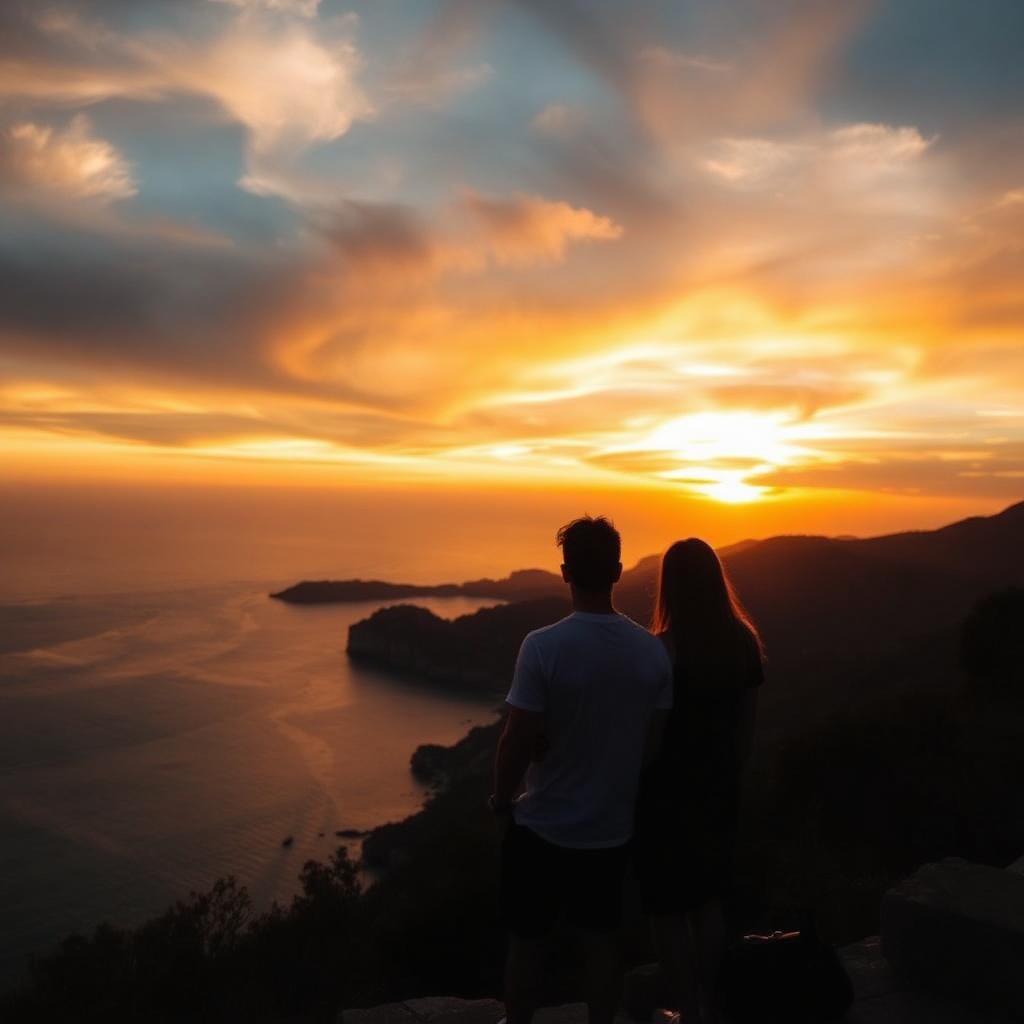
The Serra de Tramuntana is the backbone of Mallorca, a limestone fortress stretching from Andratx to Pollença. While the villages of Deià and Valldemossa are synonymous with luxury retreats, the mountains themselves are democratic. You do not need a five-star suite to witness the sunrise over Puig Major. By using the extensive network of 'refugis' (mountain hostels) and the remarkably efficient TIB bus system, the GR221 'Dry Stone Route' becomes accessible to any traveller willing to carry their own pack.
Navigating the Dry Stone Route
The GR221 is a well-signposted long-distance path. To save significantly, avoid the organised tour operators. With a decent map and the 'Senderos de Mallorca' app, you can navigate the 140km route independently. The key is booking your accommodation months in advance, as the affordable spots fill up quickly with local hiking clubs.
- Refugi de Tossals Verds offers a truly remote experience in the heart of the mountains for around 15-20 EUR per night in a dormitory.
- The Lluc Monastery (Santuari de Lluc) provides basic 'celdes' (rooms) that are far cheaper than any hotel in nearby Sóller or Pollença.
- Look for the 'Refugi de Muleta' near Port de Sóller for incredible sea views at a fraction of the cost of the surrounding villas.
- Water is your biggest expense; carry a reusable bottle with a filter or refill at the public fountains in the main plaza of each village.
- Pack your own lunch from a Palma supermarket before heading out; village shops in the mountains have a significant 'delivery premium' on prices.
- Travel in the shoulder seasons of April-May or September-October for the best weather and most reliable refuge availability.
Bus Logic for Mountain Trekkers
You do not need a rental car to hike the Tramuntana. In fact, a car is a liability because most trails are linear. The TIB (blue and yellow) buses are your best friend. For example, the L203 connects Costa d'en Blanes to Port de Sóller, stopping at all the major trailheads in between for just a few Euros.
Valldemossa and Deià on a Budget
These two villages are notorious for their high prices, but they are also essential stops. To enjoy them without breaking the bank, visit early in the morning before the tour buses arrive. Have your coffee in the less-documented lower quarters of the villages rather than the main transit squares.
The boulders of the Tramuntana don't care how much you paid for your boots or where you're sleeping tonight. The view from the top is the same for everyone. — Local Guide, Sóller
Affordable Mountain Pitstops
- In Deià, bypass the five-star hotel bars and head to 'Sa Font Fresca' for a reasonably priced sandwich and a view of the church.
- For a cheap swim after a hike, the walk down to Cala Deià is free, but bring your own drinks as the 'chiringuitos' there are pricey.
- In Sóller, the 'Ferrocarril' train is expensive; take the L204 bus from Palma instead for a fraction of the price and similar scenery.
- Visit the Botanical Garden in Sóller for a low-cost educational break that is often overlooked by the crowds heading to the port.
- Stay in the town of Esporles; it is a major stop on the GR221 but lacks the 'celebrity tax' of its more famous neighbours.
Packing for the Peaks
Proper gear is essential for safety, but you don't need the latest brands. The terrain is sharp limestone; focus on sturdy soles. Bringing your own lightweight sleeping bag liner will save you money on linen rentals at the mountain refuges.
Free Cultural Sites in the Hills
Many historical sites along the mountain trails are free to enter. The ancient snow houses (cases de neu) on the way up to Massanella and the various dry-stone walls are open-air museums in their own right. Respect the private 'fincas' you pass through to ensure these historic paths remain open to the public.
Hiking in Mallorca is one of the few ways to see the island as it was centuries ago. By sticking to the trails and the refuges, you trade luxury for a profound connection with the landscape that money simply cannot buy.