Car Hire at Palma Airport: The Complete Mallorca Guide
Palma Airport car hire explained: desks, deposits, excess insurance, documents, driving rules and practical pick-up and return tips. · 12 min read
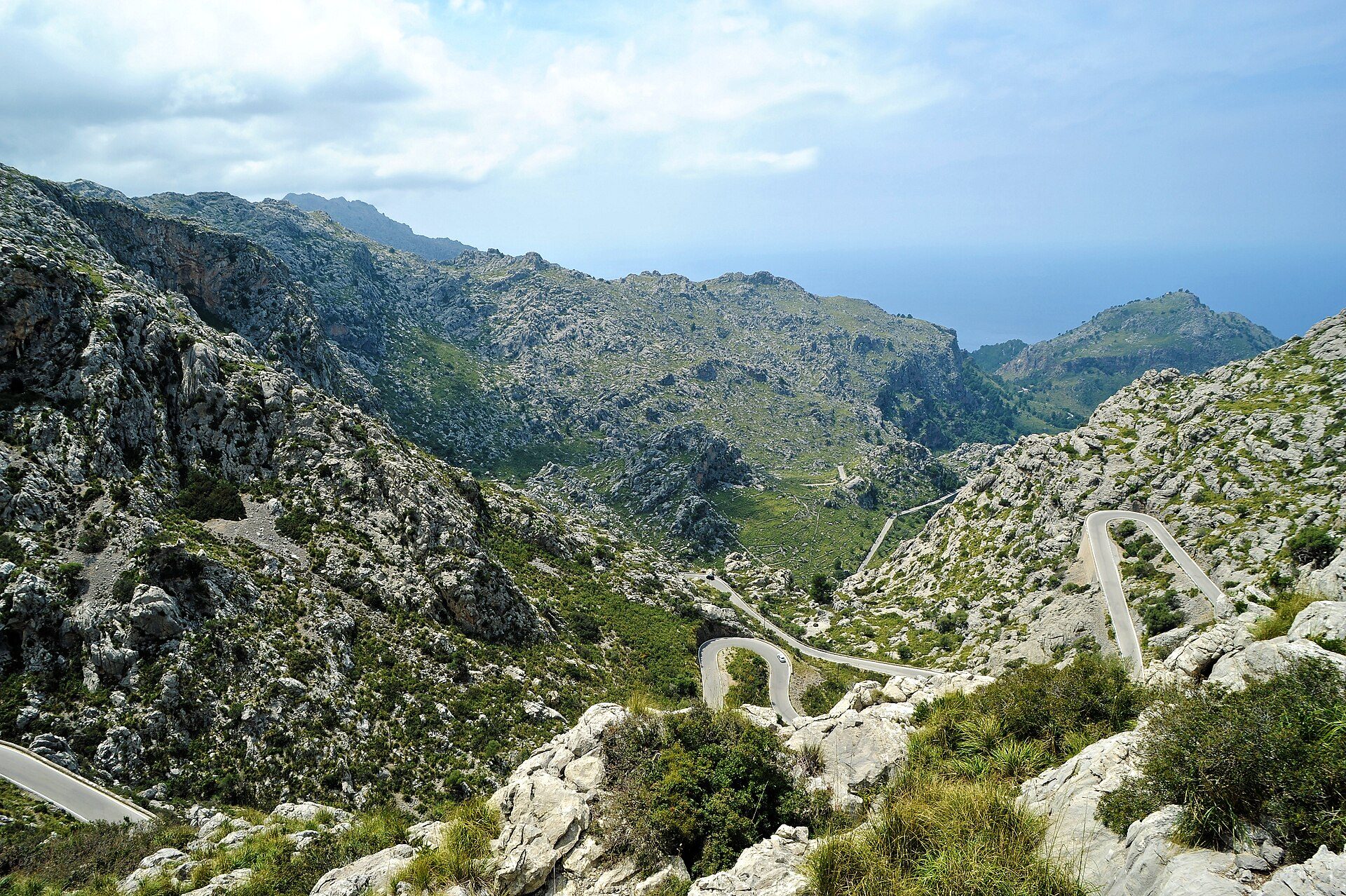
Car hire at Palma Airport makes sense when your plans reach beyond one resort: village lunches, rural stays and days exploring at your own pace. For a Palma city break, start by comparing the airport bus or a taxi with the cost of a car and parking. The right booking is not simply the lowest daily rate: it is the one whose deposit, cover, fuel policy and collection arrangements work for you.
How Palma Airport car hire works
Palma de Mallorca Airport (PMI) has rental desks on floor 0 in the arrivals hall; Aena also lists desks in baggage reclaim for some operators. Its car hire page places Avis–Budget in the car park on floor 2, and Europcar and Hertz on floor 1. Follow your supplier’s instructions and the airport signs rather than assuming every company uses the same level. (source)
In-terminal collection or an off-airport shuttle?
Distinguish an airport desk from an airport-served depot before paying. With an in-terminal booking, you complete the paperwork at the airport and collect from the allocated rental parking area. With a shuttle booking, follow the company’s designated meeting instructions and travel to its depot for the handover. Do not head to a terminal desk merely because a booking website labels the location “Palma Airport”.
- Ask for the exact meeting point, shuttle operating hours and return address in writing.
- Check whether the whole party and luggage can travel together, and whether a child seat is needed for the transfer.
- Give the supplier your flight number and ask what happens if the flight is delayed beyond closing time.
- Allow for the return transfer to the terminal as well as refuelling, inspection and airline check-in.
The real cost: compare the contract, not just the headline rate
Request an itemised total for your dates, driver ages, collection time and return location. Keep the booking voucher and the applicable supplier terms. A broker’s payment receipt is not a substitute for understanding the contract you will sign at collection.
Excess and deposit are different
The excess is the amount you may have to contribute towards a covered damage or theft claim under the rental agreement. The deposit is security held against contractual liabilities; it need not equal the excess and may include fuel or other items. A credit-card pre-authorisation reduces your available credit even though it is not an ordinary completed purchase. Centauro’s published conditions illustrate how deposits and excesses vary by vehicle group and cover package. (source)
- Ask for the exact security amount for your chosen category and cover, including any separate fuel security.
- Check whether the amount is blocked or charged, which cards are accepted and how release is handled. Do not budget on instant access to the money after return.
- Bring a physical credit card in the main driver’s name with sufficient available credit, unless the supplier has explicitly confirmed a different arrangement.
- If relying on a debit card, obtain written confirmation for that branch, rate and vehicle group. Ask about prepaid or virtual cards, extra identification and any cover conditions; paying online does not establish that your collection card is acceptable.
Fuel: full-to-full versus full-to-empty
Full-to-full means collecting a full tank and returning it full: check the gauge before leaving and keep the final filling-station receipt. Full-to-empty means fuel is supplied and paid for under the supplier’s fuel arrangement; check the fuel price, service charge and treatment of unused fuel. Do not assume “empty” means unused fuel is never refunded: Centauro’s published full-to-empty conditions provide for a refund of unused fuel and a separate service charge. Read your own rate’s wording. (source)
The extras to check before booking
- Young drivers: check the minimum age, minimum time holding a full licence, eligible car groups and any daily surcharge or cap.
- Additional drivers: establish whether they are included, what documents they must show and whether the charge is per day or per rental. Ensure everyone who will drive is named on the agreement.
- Out-of-hours collection or return: ask about fees, flight-delay arrangements, key-drop procedures and when responsibility for the car ends.
- One-way hire across Mallorca: if collecting at PMI and returning in another town, confirm that both branches accept the arrangement and request the total relocation charge. A cross-island journey is not an inter-island ferry journey; check ferry permissions separately.
- Other contractual costs: confirm child seats, automatic transmission, mileage allowance, roadside assistance, cleaning rules and administration charges connected with fines or damage.
Palma Airport car hire excess insurance explained
The rental company’s own cover
A supplier’s excess-reduction or waiver product changes your liability under its rental agreement. It can reduce the excess and the damage deposit, depending on the package; that does not automatically remove every security requirement or exclusion. Centauro’s conditions, for example, distinguish its standard excess arrangements from Smart Cover. Check the actual wording for glass, tyres, wheels, roof, underbody, keys, misfuelling, negligence and unauthorised roads. (source)
Standalone third-party excess insurance
Standalone excess insurance is a separate reimbursement policy, not a replacement rental agreement. You normally remain responsible to the hire company, pay an eligible damage charge first, then claim from your insurer subject to its limits, exclusions and evidence requirements. The supplier can still require its normal deposit: third-party insurance does not create extra credit on your card. Check residence eligibility, Spain cover, maximum rental length, driver ages and vehicle exclusions before purchase. (source)
Documents to bring to the rental desk
For a holiday in Spain, a valid UK photocard driving licence does not require an International Driving Permit (IDP). GOV.UK says paper licence holders need to update to a photocard or obtain an IDP; holders of licences issued in Gibraltar, Guernsey, Jersey or the Isle of Man should check the destination rules. Also check the hire company’s requirements. An IDP accompanies your licence; it does not replace it. (source)
- Original, valid full driving licence for every driver; confirm the supplier’s minimum licence-holding period.
- Passport or accepted national identity document, plus the booking voucher. GOV.UK confirms drivers in Spain must carry a valid licence and ID. (source)
- Main driver’s accepted payment/security card and PIN, with enough available credit for the rental and deposit.
- Written confirmation of any agreed debit-card exception, delivery arrangement, extra driver or late collection.
Pick-up checklist: before you leave the bay
- Match the registration, category and fuel type to the paperwork. Confirm the return address and emergency contact number.
- Take a slow walk-round video and clear photographs of every side, bumpers, wheels, tyres, glass and accessible roof panels. Photograph the cabin, mileage and fuel gauge.
- Have every existing scratch, dent or missing item added to the condition report before departure. Retain your own copy; do not rely solely on photographs.
- Check warning lights, lights and wipers, and familiarise yourself with controls, parking brake and gears before joining traffic.
- Confirm the supplied safety equipment, vehicle documents, breakdown procedure and any child-seat installation. Never put the wrong fuel in on the strength of a guess.
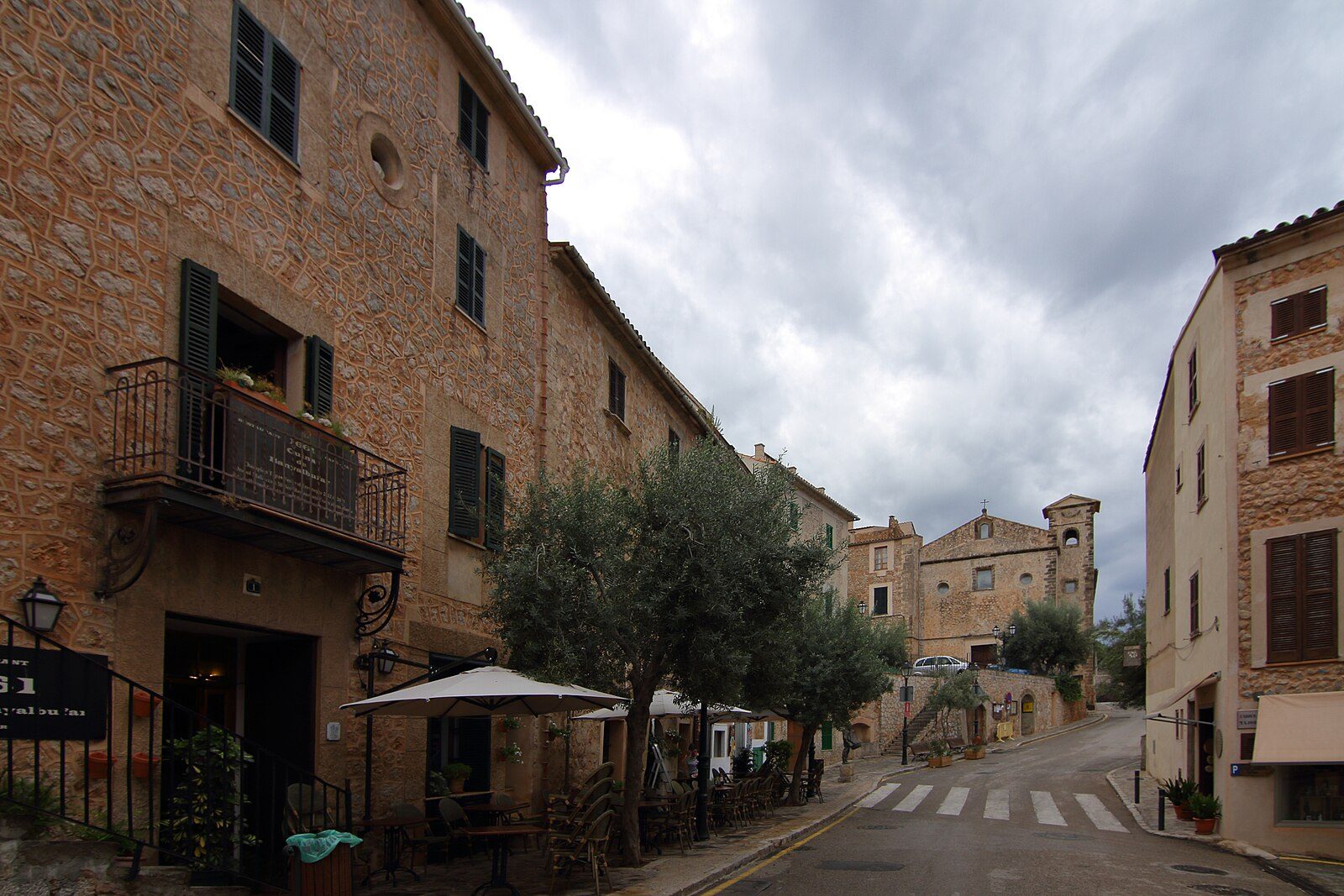
Driving in Mallorca: speed, parking and restricted access
Speed limits are in kilometres per hour
For ordinary passenger cars, the general limit is 120 km/h on motorways and dual carriageways and 90 km/h on conventional roads, subject to signs and road-specific exceptions. Urban defaults are 20 km/h on streets with a shared-level carriageway and pavement, 30 km/h with one lane per direction, and 50 km/h with two or more lanes per direction. Posted restrictions take precedence; mountain bends demand speeds well below a road’s maximum. (source) (source)
Palma blue-zone parking: ORA
Blue road markings identify regulated ORA parking; signs set the permitted hours and maximum stay. Palma’s mobility service gives general hours of Monday–Friday, 09:00–14:30 and 16:30–20:00, and Saturday, 09:00–14:30, with local exceptions. Payment is available at machines by coins or bank card and through the listed mobile payment services. Read the bay’s signs rather than assuming all blue spaces share identical rules. (source)
Palma’s low-emission zone: do rental cars qualify?
Palma’s central ZBE is in force and covers the area inside the Avenidas and seafront boundary. It is not a blanket ban on rental cars: eligibility depends on the vehicle’s environmental classification and any applicable authorisation. The council says vehicles without a DGT environmental classification need authorisation; a physical windscreen sticker is not compulsory. Ask the supplier to confirm your allocated registration’s eligibility before driving into the zone. Do not assume a booking category guarantees access. (source)
Foreign-registered vehicles have a separate registration/authorisation process. ZBE eligibility also does not grant access to Palma’s separately controlled ACIRE streets: if staying in the old town, obtain the hotel’s precise access and unloading instructions before arrival. Check the council’s current map and rules for your travel dates, especially as implementation stages change. (source)
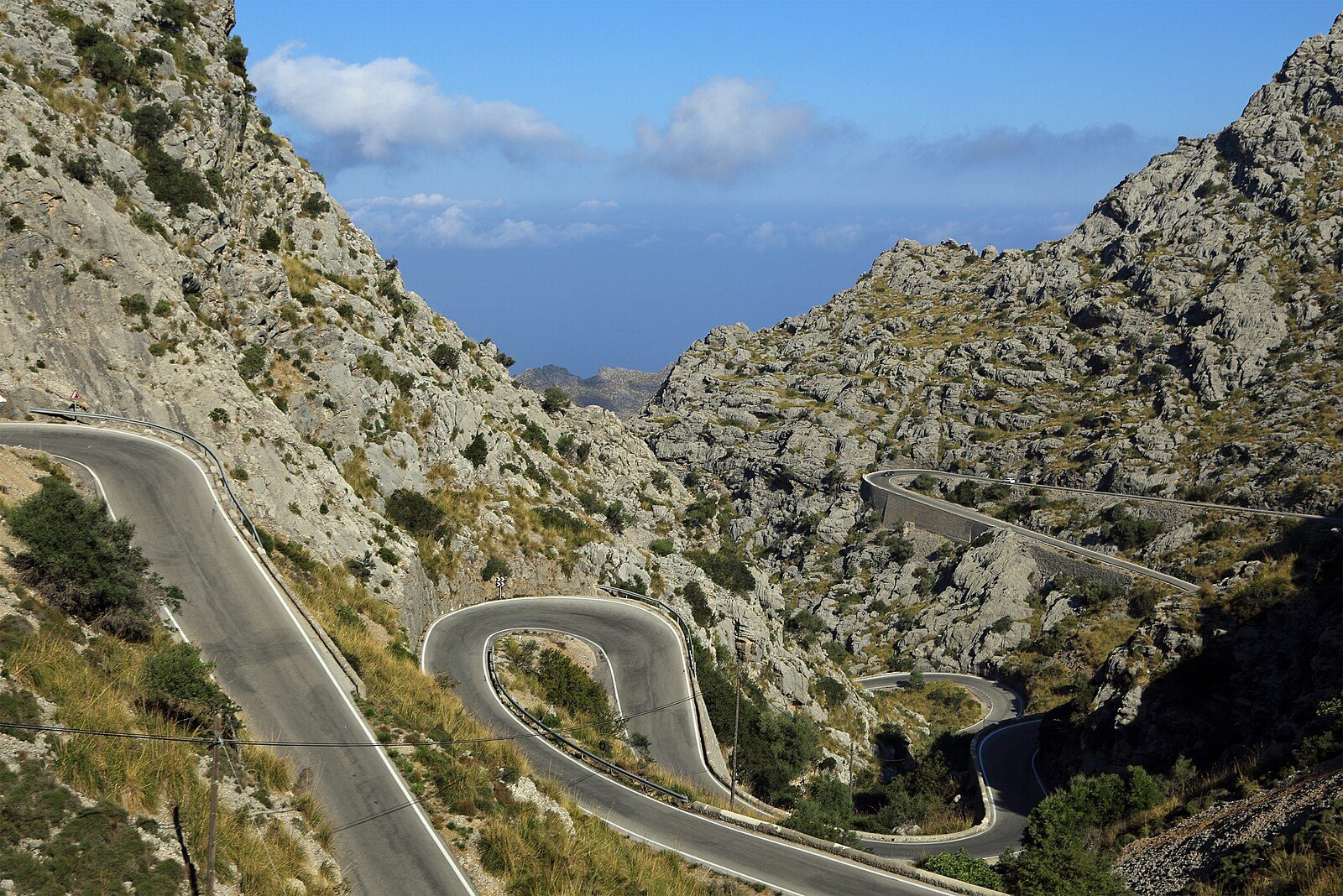
Sa Calobra and Formentor: different access arrangements
For Sa Calobra, plan around the road and available parking rather than treating it as a quick beach detour. The Consell operates roadside information panels showing parking availability for Sa Calobra, Cala Tuent and Sóller. Follow the live signs and any temporary controls; do not transpose Formentor’s seasonal timetable onto Sa Calobra. Pull over for photographs only where it is safe and permitted. (source)
Formentor’s published 2026 regulation runs from 15 May to 18 October, 10:00–22:00, on the Ma-2210 towards the lighthouse. There are separate beach and lighthouse sections: do not plan an unrestricted rental-car drive to the lighthouse during controlled hours. Use the public bus unless you qualify for an authorised exception. Check the Consell’s seasonal information before travelling. (source)
The DGT’s detailed 2026 rules allow private vehicles to reach the beach car park at kilometre 8 while capacity is available and the access signals permit it; that is not permission to continue to the lighthouse. When the car park is full, access closes to unauthorised vehicles. Follow the barriers and message boards rather than a saved map route. (source)
Returning your hire car without a last-minute scramble
- Recheck the supplier’s exact return entrance, opening hours and fuel requirement the day before departure.
- Refuel as required, retain the receipt and photograph the gauge, mileage, bodywork, wheels and parked location.
- Request a joint inspection and a written return record where staff are available. Keep the final invoice.
- For a key drop, follow the written instructions and record the return time and bay. Establish in advance when the supplier regards the vehicle as returned.
- Allow time for a shuttle if applicable. Check the deposit release afterwards and query unexplained charges promptly in writing with your evidence.
Alternatives to hiring at Palma Airport
For Palma, EMT’s A1 links the airport and city centre. The published cash-on-board airport single fare is €5, with a daytime interval of 15 minutes in the current timetable; early and late services have longer gaps. Check the service for your flight rather than assuming a round-the-clock quarter-hourly departure. (source) (source)
For resorts, consult TIB’s airport services and journey planner for your exact destination and date: routes and timetables vary seasonally. A direct airport coach can remove the need to hire a car for the whole holiday. Alternatively, follow airport signs to the official taxi rank; confirm the applicable metered tariff and supplements rather than relying on an old flat-fare quotation. Compare a transfer plus a few days’ local hire with keeping a car throughout. (source) (source)
Two local independents on MBook worth a look
GT Rentals, Palma
GT Rentals lists a Palma de Mallorca contact and a luxury and super-sports offering, with marques including Ferrari, Lamborghini, Porsche and Bentley, alongside SUVs, convertibles and Mercedes V-Class vehicles. This is a different proposition from booking a basic holiday hatchback. Ask which models are available in Mallorca and request the specific collection arrangements and security terms. (source)
Kurt Rent a Car, Porto Cristo
Kurt gives its main office as Porto Cristo and advertises airport collection and return, plus delivery to a chosen location by arrangement. Its listed categories include small manual cars, compact family cars and automatic options; examples include Fiat Panda or similar and Ford Focus or Fiat Tipo. Confirm the category, handover point and applicable terms directly rather than assuming a particular model or an in-terminal desk. (source) (source)
Do I need a credit card for car hire at Palma Airport?
Check the supplier, rate and car group. Bring a physical credit card in the main driver’s name unless another arrangement is explicitly confirmed. Acceptance of online payment does not prove a debit card will be accepted for the collection deposit.
Do UK licence holders need an IDP to hire a car in Mallorca?
A valid UK photocard licence does not require an IDP for Spain. Paper licence holders should follow GOV.UK’s advice to update to a photocard or obtain an IDP, and check the rental company’s requirements. Bring your original licence and accepted ID.
Does standalone excess insurance remove the rental deposit?
No. It is normally a reimbursement policy: the hire company can still hold its normal deposit and charge you for damage under the rental agreement. You then claim eligible costs from your insurer with the required evidence.
Are all Palma Airport rental cars collected at the terminal?
No. Aena lists terminal desks and rental parking locations, but some airport-served bookings use off-airport depots or arranged handovers. Check the voucher for the exact desk, shuttle meeting point or delivery instructions.
Can I drive a hire car to Formentor lighthouse in summer?
Not as an unrestricted private-car trip during the regulated hours. The published 2026 restriction runs from 15 May to 18 October, 10:00–22:00. Beach car park access has separate capacity controls; it does not permit driving on to the lighthouse. Check the official seasonal rules and use the bus where required.
Photo credits
- Hairpin bends descending through the limestone mountains towards Sa Calobra: Geir Hval (www.MacWhale.eu), CC BY-SA 4.0, via Wikimedia Commons
- Tight bends on the road to Sa Calobra between rocky mountain slopes: Marc Ryckaert (MJJR), CC BY 3.0, via Wikimedia Commons
- Carrer Comte de Sallent in Banyalbufar, lined with stone buildings: Malopez 21, CC BY-SA 4.0, via Wikimedia Commons