Mastering the Ma-10: A Driver's Guide to the Tramuntana Range
Tackling the hairpins from Andratx to Pollença requires more than just a rental car; it demands a deep respect for the Sa Calobra tie-knot and the Ma-10's unpredictable gradients. · 12 min read
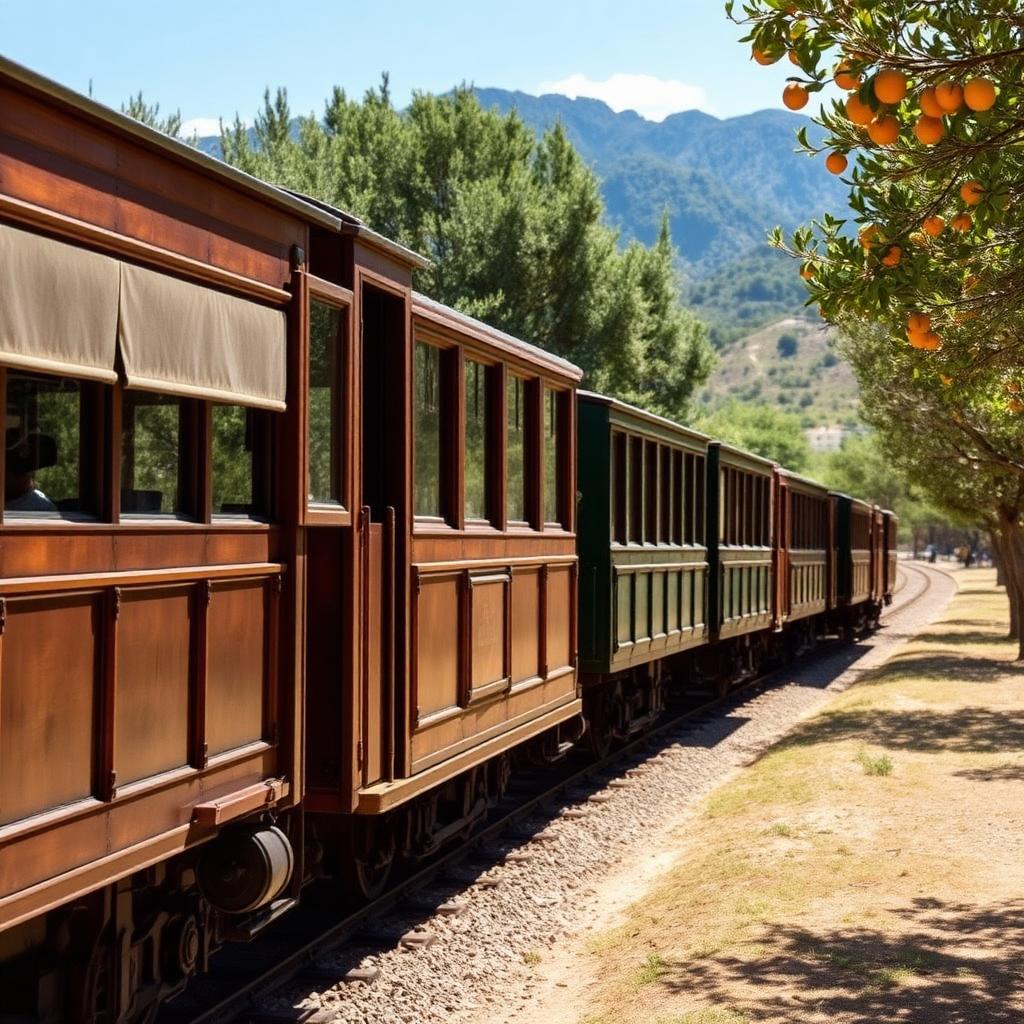
The Serra de Tramuntana is a UNESCO World Heritage site for its cultural landscape, but for the visitor behind the wheel, it is a 90-kilometre obstacle course of limestone cliffs and ancient olive groves. The Ma-10 is the backbone of this range, stretching from Andratx in the southwest to Pollença in the north. This isn't a road for the faint-hearted or those prone to car sickness. It is a technical drive where the reward isn't just the view of the Mediterranean from 1,000 metres up, but the rhythmic flow of the hairpins and the sudden silence of the holm oak forests.
Preparing for the Ascent
Before attempting the Ma-10, ensure your vehicle is fit for the task. The steep inclines around Puig Major and the constant braking required on the descent to Estellencs can test even the sturdiest of compact cars. Small, agile vehicles like a Fiat 500 or a Mini are much more suited to these narrow lanes than a bulky SUV.
- Fuel up in Palma, Esporles, or Sóller. Petrol stations are non-existent between Sóller and Pollença, a stretch of nearly 50 kilometres of mountain driving.
- Hire a car with an automatic gearbox if you are uncomfortable with hill starts; many of the mountain village roads are essentially vertical.
- Check the weather at the Lluc sanctuary station before heading out; winter and spring can bring dense fog and even black ice to the higher passes.
- Avoid driving between 11:00 and 15:00 in peak summer, when tourist coaches dominate the narrowest sections, often forcing cars to reverse into precarious laybys.
- Keep your headlights on at all times, even in bright sunlight, to increase your visibility to oncoming traffic in the shaded mountain tunnels.
The Legend of Sa Calobra
The Ma-2141, the road down to Sa Calobra, is arguably one of the most famous drives in Europe. Designed by Antonio Parietti in 1932, it was built without the use of heavy machinery, following the natural contours of the rock. The highlight is the 'Nus de Sa Corba' (The Tie Knot), a 270-degree turn where the road loops over itself.
Handling the Hairpins
When descending, use your engine to brake (lower gears) to prevent your brake pads from overheating. This is particularly crucial during the 12-kilometre drop to the sea. The road is often shared with elite cyclists—give them at least 1.5 metres when overtaking and only do so when you have a clear view of the road ahead.
The Ma-10 is an exercise in focus; if you spend too much time looking at the blue horizon, the limestone walls will remind you they are there. — Local Tramuntana Guide
Parking Realities in Mountain Villages
Finding a car park in Valldemossa, Deià, or Fornalutx can be the most stressful part of the journey. These villages were built for donkeys, not rental Peugeots.
- In Valldemossa, use the large pay-and-display car parks near the bus station; attempting to find street parking in the centre is a futile exercise.
- Deià has limited parking. If the main 'Clot' car park is full, try the small lot at the entrance of the village, or better yet, arrive before 10:00.
- The 'Blue Zone' (ORA) requires a ticket from the machine; during the afternoon siesta (14:00-16:00), some zones are free, but always check the specific signage.
- Fornalutx has a dedicated municipal car park on the upper edge reached via the cemetery road; it is rarely full and offers a short scenic walk down into the square.
- Never leave valuables in sight; while theft is low in Mallorca, tourist trail trailheads and remote mountain viewpoints are occasionally targeted.
Navigating the Sóller Tunnel
Connecting Palma to Sóller, the Túnel de Sóller is now free of charge (it was previously the most expensive toll road in Spain). It saves about 20 minutes of driving over the Coll de Sóller, which features 57 hairpins. Take the tunnel for speed, take the pass for the sheer thrill and the view from the summit cafe.
Driving the Tramuntana isn't about the destination; it is about the transition from the pine-scented air of the west to the rugged, wind-whipped cliffs of Cap de Formentor. Keep your eyes on the road, your hand on the gearstick, and your windows down to catch the scent of the sea.