Fire and Demons: The Primal Energy of the Sant Antoni Festivals
January in Mallorca is defined by the smell of smoke and the sound of drums as the island celebrates its patron saint of animals with ancient fire-runs. · 11 min read
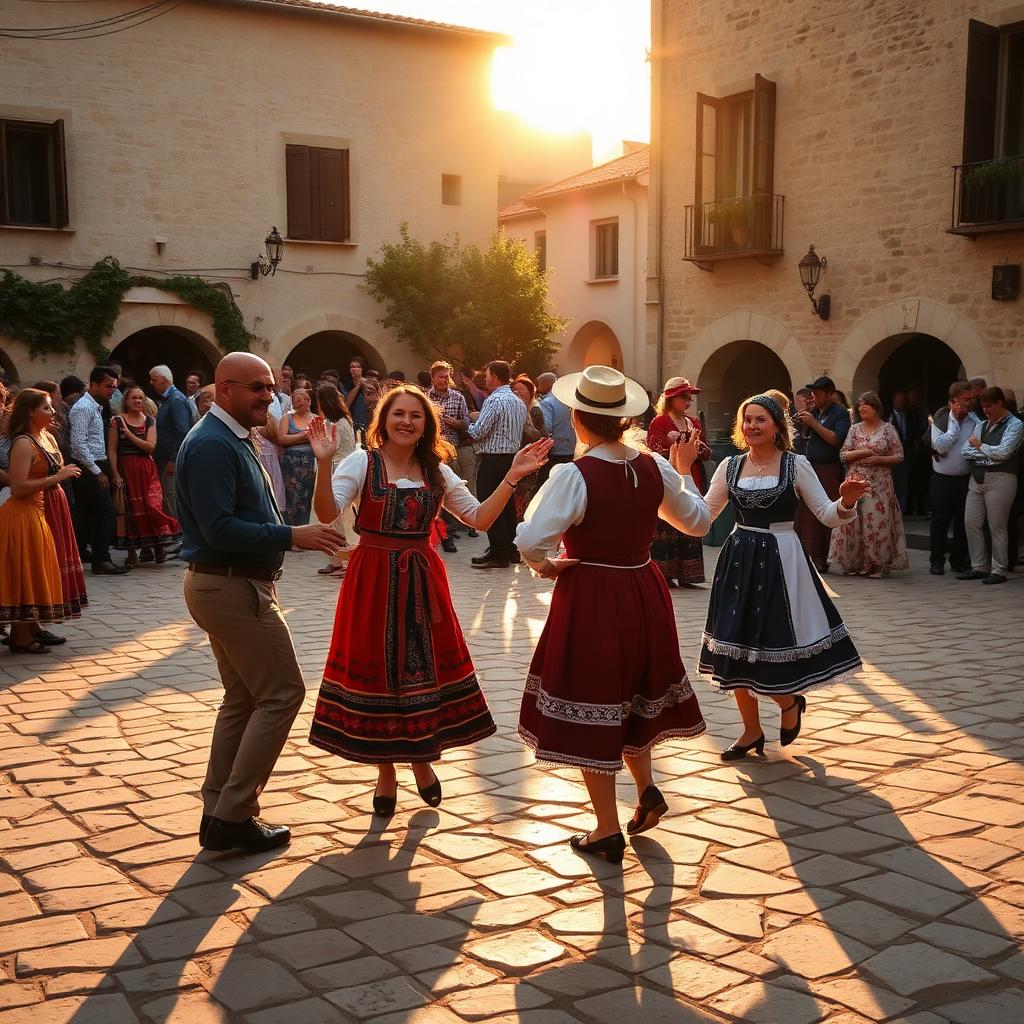
While summer visitors flock to the beaches, those who wander into Mallorca in mid-January witness a transformation that feels almost pagan. The festivals of Sant Antoni (St. Anthony Abbot) are the most visceral and deeply felt traditions on the island. Rooted in the victory of a desert saint over the temptations of the devil, the celebration has mutated over centuries into a spectacular display of pyrotechnics, drumming, and communal feasting. In villages like Sa Pobla and Manacor, the streets are reclaimed by 'Dimonis'—demons in horned masks—who dance through showers of sparks, while the 'Foguerons' (giant bonfires) light up the winter sky. It is a time of intense local pride, where the modern world vanishes behind a veil of sulphur smoke.
Sa Pobla: The Epicentre of Fire
On the night of January 16th, Sa Pobla becomes the most intense place in the Mediterranean. The town, famous for its potato farming, hosts a ceremony that is both terrifying and beautiful. The 'Correfoc' (fire-run) involves groups of demons carrying pitchforks loaded with fireworks, spinning through the crowds to the beat of heavy percussion. This isn't a performance viewed from behind a barrier; it is an immersive experience where the line between participant and observer is intentionally blurred. The square in front of the town hall (Ajuntament) packed with thousands of residents, all chanting and jumping in unison as the fire descends.
- Wear old cotton clothing with long sleeves and a hat; synthetic fabrics can melt under the falling sparks of the 'carretilles' (spinning fireworks).
- Arrive in Sa Pobla via the T2 train from Palma by 17:00 to secure a spot before the main square becomes impassable by 20:00.
- Sample the 'Espinagada', a specific Sant Antoni pastry filled with eel and spinach or pork and cabbage, costing around 6-8 EUR per slice at local bakeries.
- Listen for the 'gloses', traditional improvised verses often sung in Mallorquí, which frequently contain satirical commentary on local politics and social issues.
- Note that the town centre is completely pedestrianised; if driving via the Ma-13, park on the outskirts near the sports centre and walk 15 minutes in.
- The fire-run concludes around midnight, but the 'Foguerons' continue burning until dawn, with locals grilling 'sobrassada' over the embers.
The Blessing of the Animals
On the morning of January 17th, the energy shifts from the infernal to the pastoral. The 'Beneïdes' take place in almost every town, most notably in Palma outside the Sant Antoniet church on Carrer de Sant Miquel. A long procession of animals—from pampered household poodles and caged canaries to massive 'cavalls' (horses) decked in traditional embroidery—passes before the priest to be sprinkled with holy water. It is a charming, chaotic spectacle that reaffirms the island's historical reliance on its working animals and the deep bond between the 'pagesos' (farmers) and their livestock.
Manacor's Demon Dances
In the east, Manacor offers a slightly different flavour of the festival. Here, the 'Ball dels Dimonis' is more choreographed but no less spirited. Three demons—the big demon and two 'filis'—perform a repetitive, hypnotic dance accompanied by a lone flautist and drummer. They visit various houses and businesses, bestowing 'blessings' that are more akin to playful harassment. The tradition is so guarded that the masks are considered sacred objects, and the men who wear them are often following in the footsteps of their fathers and grandfathers, maintaining a lineage of mischief that spans generations.
When the drums start in the Plaça, you don't hear them with your ears; you feel them in your chest. The fire doesn't burn us; it cleanses us for the year ahead. — Mateu, a member of the Dimonis de Sa Pobla
Practicalities for the Winter Fire
- Hotel prices in the interior are significantly lower in January, often 40% less than in peak summer, but many smaller guesthouses require advance booking for fiesta dates.
- Consult the official 'Ajuntament' websites of Sa Pobla and Artà in early January for the precise timings of the 'Encesa dels Foguerons' (lighting of the bonfires).
- Dress in layers; while the bonfires provide heat, the January nights in the interior can drop to 3-5 degrees Celsius, especially in the northern plains.
- If you have respiratory issues, stay on the windward side of the squares; the smoke from the magnesium-based fireworks can be extremely dense and acrid.
- Basic Mallorquí phrases like 'Bon Sant Antoni' will be met with huge smiles and often an invitation to share some grilled meat at a communal fire.
- The festivities are free to attend, but contributing a few euros to the 'Dimonis' associations who sell shirts and bandanas helps fund the next year's pyrotechnics.
The Transition to Sant Sebastià
The fire doesn't die with Sant Antoni. Just three days later, on January 19th, Palma celebrates its own patron saint, Sant Sebastià. The 'Revetla' (eve) sees the city converted into a massive outdoor concert venue with stages in every major square, from Plaça Cort to Plaça de l'Olivar. Public barbecues are set up by the city council, and thousands of residents roast meat over the coals while listening to everything from traditional 'Ximbomba' music to contemporary rock. It is the largest party of the year in the capital, a seamless blend of medieval fire culture and modern urban revelry.
Participating in Sant Antoni or Sant Sebastià is a gateway into the soul of Mallorca. It is an experience that challenges the stereotype of the island as a passive sun-and-sea destination. Here, the traditions are alive, loud, and occasionally dangerous. To stand in a shower of sparks in a darkened stone square is to understand that the Mallorcan identity is forged in fire and maintained with a fierce, communal joy that no amount of tourism can dilute.