A Local's Guide to Palma
The best places to visit, eat and explore in the capital. · 7 min read
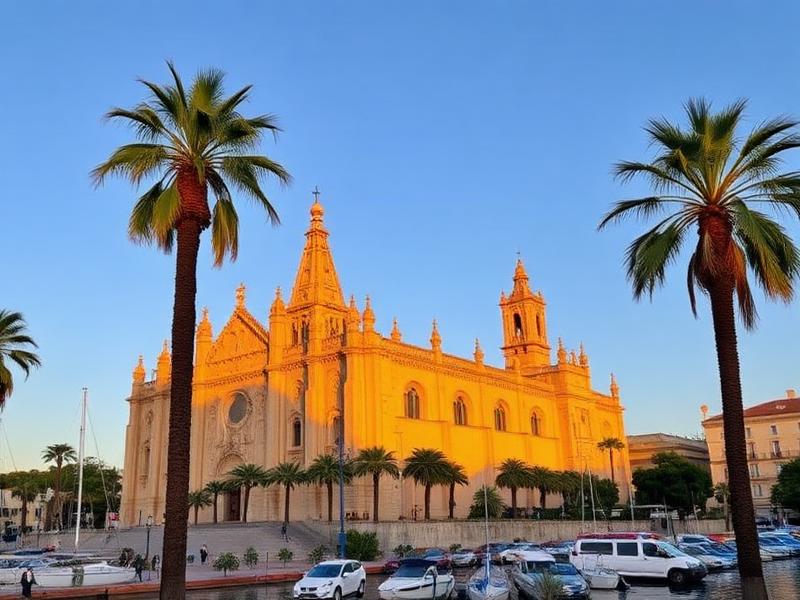
Palma is a small city that rewards repeat visits. Most travellers see the cathedral, walk the marina and leave with three photos. Locals know the city is really a collection of neighbourhoods — each with its own café, its own square, its own rhythm. This is how to use Palma the way the 400,000 people who live here do.
The old town — beyond the cathedral
Get lost in the lanes behind La Seu. Look up at the wrought-iron balconies, peek through open doors into hidden patios (Palma has over 150 historic courtyards, most kept behind heavy wooden doors all year), and stop for a coffee in any plaça that catches the light. Carrer Sant Jaume and Carrer Almudaina hide some of the city's most beautiful private mansions.
Don't miss: the Banys Àrabs (10th-century Arab baths, €3), the Basilica de Sant Francesc with the tomb of Ramon Llull, the Es Baluard contemporary art museum in the old sea bastion (free Friday afternoons), and the rooftop of Hotel Cort for sunset with the cathedral lit up below.
Santa Catalina — eat and drink
The food market by day (Mercat de Santa Catalina, open Mon–Sat 07:00–14:00), small plates and natural wine by night. Avoid Friday nights in August if you don't like crowds. Standout spots: Patron Lunares for natural wine and grilled vegetables, Bar Rita for Spanish classics, Vermuteria Lorente for permit and tinned fish.
La Lonja and the marina
Vermouth bars (Bar Cuba, La Rosa Chica), tapas counters (Tast Lonja) and views of the cathedral lit up after dark. Walk all the way along the seafront promenade from the cathedral to Portitxol — 4km, perfect at sunset. The Portitxol beach at the far end is where Palma locals actually swim.
Pere Garau and Son Espanyolet
Where Palma actually lives. Latin American food (the city's growing Colombian and Venezuelan community has made Mercat Pere Garau the best food market for cheap eats), neighbourhood squares with no tourists, indie cinemas (Cineciutat). Worth an afternoon — take the EMT bus 8 from Plaça d'Espanya.
Portixol and Es Molinar
The eastern seafront, 20 minutes' walk from the cathedral, is where Palma weekenders eat brunch. Posito, Mar de Nudos and Ola del Mar all face the water. The old fishermen's cottages here have been some of the city's smartest renovations of the last decade.
Where to swim in the city
- Cala Major — small sandy beach 15 mins by bus, more local than touristy
- Portitxol — pebbly, central, surrounded by good restaurants
- Ciutat Jardí — long sandy beach near the airport, popular with families
- Cala Estancia — the closest sandy beach with proper facilities
When to come and what to skip
Palma is at its best March–June and September–November. July and August are hot (32°C+) and packed with cruise day-trippers; if you're here then, do everything before 11:00 or after 19:00 and sleep through the middle of the day like locals do. Skip the tacky tourist bars on Passeig del Born; head one street back into the old town for somewhere better at half the price.