Mallorca Wedding Venues: Fincas, Clifftops & Luxury Hotels
Eleven Mallorca wedding venues, from historic fincas to sea-view hotels, plus ceremony paperwork, seasonal advice and practical planning tips. · 13 min read
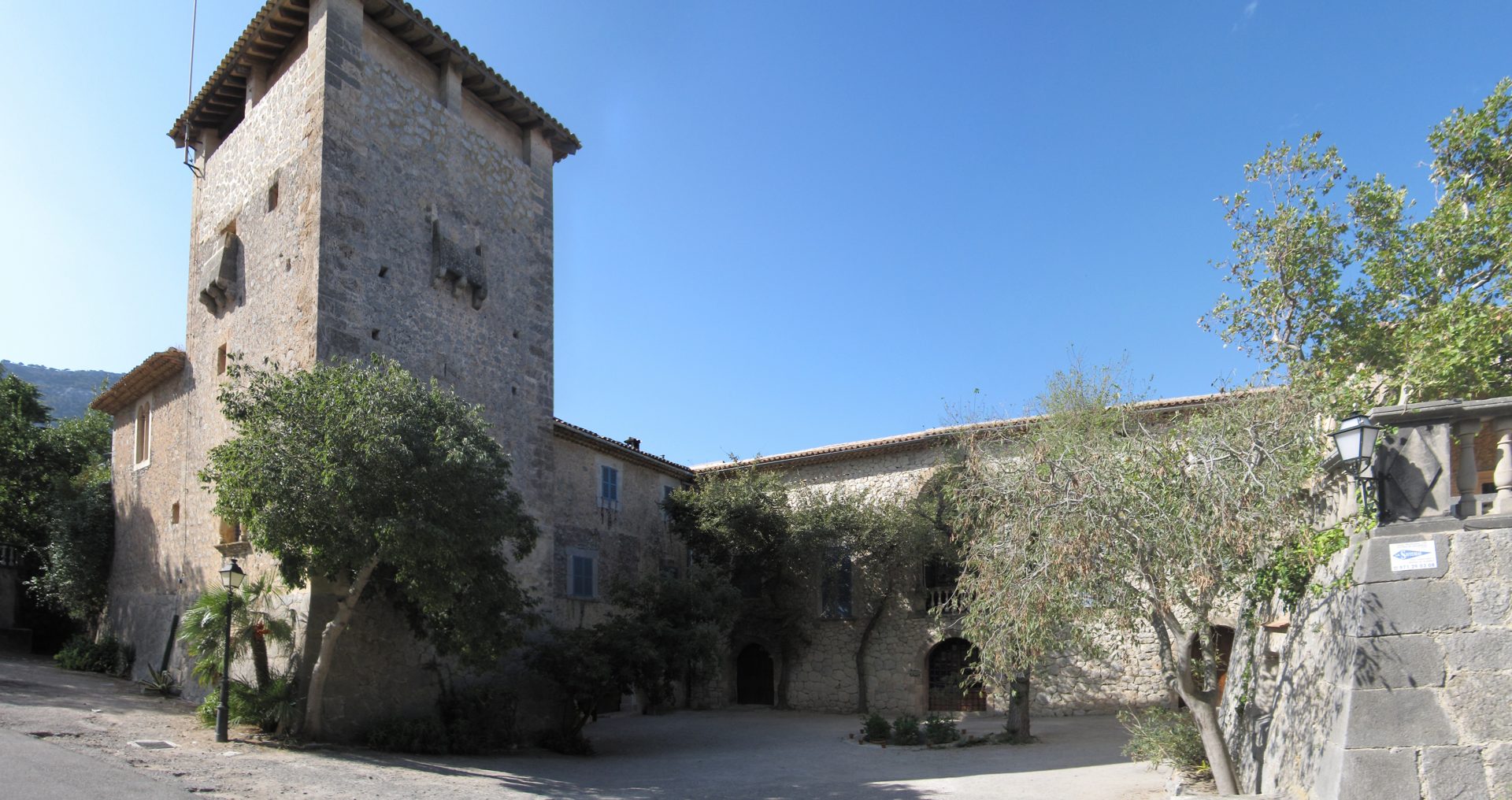
The best Mallorca wedding venues do more than supply a beautiful backdrop. They shape the whole celebration: where guests stay, how dinner flows into dancing and what happens if the weather turns. A stone finca in the Tramuntana foothills creates a very different wedding from a sea-facing fortress or a resort with bedrooms upstairs.
This guide brings together 11 venues whose official websites explicitly offer weddings, grouped by the experience they create. Start with the atmosphere, then test the practical details. Capacity figures appear only where the venue publishes them, and a terrace maximum is never treated as a seated dinner guarantee. Availability, seasonal opening and the exact spaces included need written confirmation for your date.
Choosing between Mallorca wedding venues
- Historic fincas and estates: choose these for courtyards, stone architecture and a celebration with a strong sense of place. Establish what hire includes before adding suppliers.
- Clifftop and sea-view settings: choose these when the Mediterranean is central to the day. Ask about wind protection, step-free routes and an indoor alternative.
- Luxury hotels: choose these when accommodation, catering and an events team under one roof matter as much as the setting. Clarify exclusive use and shared areas.
- Winery estates: choose these for a countryside celebration with wine woven into the weekend. Check which vineyard, village and tasting spaces are actually part of the booking.
Historic fincas and estates: courtyards, gardens and mountain scenery
Finca Son Togores — Esporles / Palma–Valldemossa road
Tuscan-influenced architecture and a rural setting give Son Togores a softer, country-house character. Its official wedding page describes bespoke, boutique-style celebrations and specifically welcomes intimate elopements. The emphasis is on personalisation rather than a single set format. Best for: couples planning a finca wedding in Mallorca with an individual design, including smaller celebrations. Official wedding information.
Son Mir — Palma countryside
Son Mir combines rustic architecture with gardens, a traditional courtyard or clastra, and indoor spaces. The official wedding page states that the finca can host up to 300 guests; ask how that translates into your ceremony, seated meal and wet-weather layout. Its mix of spaces makes it worth considering when different parts of the day need distinct settings. Best for: a larger guest list and a country-estate atmosphere without choosing a mountain location. Official wedding information.
Finca Comassema — Orient valley, Bunyola
Comassema places the landscape at the centre of the celebration: mountain views, gardens, a cobbled clastra and a historic safareig, or water reservoir. Its wedding page lists the courtyard at 200 theatre-style or 250 for cocktails. Those are layout-specific figures, not a universal banquet capacity. Best for: couples drawn to mountain scenery, traditional Mallorcan architecture and a clear progression between ceremony and reception spaces. Official wedding information.
Es Revellar Art Resort — Campos
This countryside estate layers Mediterranean gardens with sculptures, water features and art-filled outdoor spaces. Its official wedding page offers ceremonies, cocktails and dinners in different settings, plus the option to reserve the entire resort, including its 17 rooms. Planning, decoration, gastronomy and coordination are described as part of the team’s support. Best for: art-minded couples who want a distinctive visual identity and the option of a residential celebration. Official wedding information.
Clifftop and sea-view wedding venues in Mallorca
Son Marroig — Deià, Valldemossa–Deià coast
Son Marroig brings together a historic house, broad terraces, a garden and the celebrated Carrara-marble temple overlooking the Mediterranean. Its official wedding page recommends planning around sunset. Although it is an estate, its coastal outlook earns it a place here: this is a venue to choose for the relationship between architecture, light and sea. Best for: couples who want a ceremony with a recognisable Mallorcan setting and sunset as a focal point. Official wedding information.
Cap Rocat — Cap Enderrocat, Llucmajor
A fortress setting above Palma Bay gives Cap Rocat its architectural drama. The official special-occasions page explicitly describes weddings, sunset-facing cocktails or dinners at the Lookout and Panoramic Terrace, and an after-dinner party space in the Old Ammunition Dump. Ask the team to map those spaces to your guest numbers and proposed programme. Best for: a sea-view celebration where the transition from open-air reception to an atmospheric party space is part of the appeal. Official wedding information.
Jumeirah Mallorca — Port de Sóller
Known to many couples as Jumeirah Port Sóller, Jumeirah Mallorca occupies a clifftop setting with broad Mediterranean views. Its official events listing labels the Tramuntana Terrace and Jumeirah Ballroom for weddings. The terrace is advertised for up to 120 guests for celebrations; confirm the seated dining arrangement and the ballroom alternative separately. Best for: couples who want sea-facing drama with hotel accommodation and a defined indoor event space. Official wedding information.
Castillo Hotel Son Vida — Son Vida, Palma
Set in the hills above Palma, this castle-like hotel offers gardens, bay views and private terraces on its official wedding page. It is a sea-view option rather than a waterside one, with the city and bay forming the distant backdrop. The hotel markets itself as adults-only: establish the policy for children attending private weddings before making plans. Best for: couples seeking a formal hotel wedding with elevated views and access to Palma. Official wedding information.
Luxury hotels: estate character with a hotel team
Castell Son Claret — Es Capdellà, Calvià
Historic architecture, gardens, fountains and secluded courtyards define Castell Son Claret’s wedding offer. The official site describes both intimate castle weddings and garden receptions, with banquet halls and accommodation in the main building and former stables. It is a strong crossover between a country-estate setting and a luxury hotel celebration. Best for: couples who want gardens and mountain scenery without separating the wedding venue from the hotel experience. Official wedding information.
The St. Regis Mardavall Mallorca Resort — Costa d’en Blanes, Calvià
The resort’s official events page explicitly includes weddings and describes tailored menus, an events team and direct access to a private garden terrace. Treat its published theatre-style meeting capacities as meeting information, not a wedding guest limit. Ask for a wedding-specific floor plan covering dining, dancing and the indoor fallback. Best for: couples who prioritise a resort stay, coordinated hospitality and a garden-terrace reception. Official wedding information.
Winery weddings: a village among vines
Finca Biniagual — Biniagual, Binissalem area
Biniagual offers a small historic village surrounded by vines and olive groves, rather than a conventional hotel function room. Its official wedding page makes the village available except for private houses, and describes gardens and a private chapel among the ceremony possibilities. The estate can connect couples with planners and production suppliers. A chapel’s presence does not itself establish permission for a legally recognised religious marriage. Best for: wine-loving couples seeking a village-style countryside celebration and a flexible creative brief. Official wedding information.
Getting married in Mallorca: civil, religious or symbolic?
Decide the legal route before paying a non-refundable venue deposit. A wedding venue offering a “civil ceremony” does not automatically mean that every overseas couple can legally marry there. Spain’s official administration guidance explains that couples must first establish their capacity to marry through the required documentation or marriage file, and that marriage must be registered in the Civil Registry for full recognition. Spanish government marriage guidance.
Civil marriage: start with the registry, not the styling
For British couples, the Foreign, Commonwealth & Development Office states that you or your partner must live in Spain or be a Spanish national to marry there. It instructs couples to contact the local civil registry because documentary requirements vary by location. Depending on the case, British applicants may need a certificate of no impediment or marital status certificate. Do not assume the British process applies to other nationalities, or that there is one residency period for every couple. GOV.UK guidance.
Ask the competent Registro Civil or notary which passports, birth records, proof of marital status, residence evidence and documents relating to previous marriages are needed in your case. Confirm translation, apostille or legalisation requirements and document validity before ordering anything. Spain’s official guidance identifies the authority linked to the domicile of either party as the starting point for the marriage file. Official procedure.
Religious marriage: a separate approval process
Spain recognises legally provided religious forms of marriage, but not every religious-style service has civil effect. Catholic and other recognised routes have their own requirements; establish the procedure with the relevant parish or religious authority and confirm civil registration with the registry. Neither a venue’s chapel nor a celebrant booking replaces that process. Spanish government guidance.
Symbolic ceremony: keep the celebration and legal formalities separate
A symbolic ceremony is a personal celebration, not a substitute for the legal marriage process. Many destination couples choose to complete the legal marriage at home and hold their vows and reception in Mallorca. This separates the paperwork from the island celebration; it does not turn the symbolic service into a Spanish legal marriage. Check recognition requirements with your own national authorities if you marry legally abroad. The residency and documentation issues above explain why this distinction matters. British guidance.
Best months for a Mallorca wedding
Our first months to shortlist are May, June and September, with different trade-offs. AEMET’s 1981–2010 normals for Palma Airport give average daily maximum temperatures of 23.7°C in May, 28.1°C in June and 27.9°C in September. Average monthly rainfall is 32 mm, 12 mm and 50 mm respectively. June offers the driest historical average of those three; September is warm but not a rain-free substitute for summer. AEMET climate normals.
- July and August: average daily maxima at Palma Airport are about 31°C. Prioritise shade, drinking water and a ceremony that avoids the hottest part of the day.
- April and October: average daily maxima are 19.8°C and 23.9°C respectively, but October’s average rainfall is 62 mm. Make the indoor plan part of the venue decision, not a late addition.
- Mountain and coastal venues: Palma Airport is a low-altitude reference, not a forecast for Orient or an exposed terrace. Ask about local wind, evening temperatures and the practical trigger for moving indoors.
Outdoor music at fincas: get the actual conditions in writing
Do not build a party schedule around an assumed island-wide outdoor music cut-off. The Balearic Government identifies town councils as responsible for noise monitoring, control and enforcement, with municipal ordinances applying and Balearic Law 1/2007 providing the fallback where no ordinance exists. This guide does not assign a blanket midnight curfew or decibel allowance to Mallorca fincas. Balearic Government noise guidance.
- Before signing, request written confirmation of permitted outdoor amplified music hours and any separate indoor finish time.
- Ask the venue to identify the conditions applicable to its activity, municipality and event spaces, including sound restrictions and whether a limiter is required.
- Have the planner and sound supplier agree speaker placement, the move indoors and the final guest departures. A rural location is not evidence of unrestricted music.
Planners and suppliers: the team to assemble
A venue coordinator and an independent wedding planner are different roles. Ask who represents your interests across the whole weekend, who manages external suppliers and who makes weather decisions on the day. Match the team to what your venue actually includes.
- Local planner or on-the-day coordinator: contracts, supplier schedules, site access and the event running order.
- Caterer and bar team: kitchen arrangements, dietary needs, staffing, glassware, water and waste removal where these are not supplied by the venue.
- Celebrant or authorised officiant: choose the right role for a symbolic, civil or religious ceremony.
- Photography and video: ceremony light, portrait timing, travel between locations and permission for any proposed drone work.
- Florist, furniture and production suppliers: ceremony structure, lighting, sound, power and safe installation, subject to venue approval.
- Guest transport and accommodation support: realistic pick-up schedules, vehicle access, return journeys and clear instructions for guests.
- Hair, make-up and attire support: preparation locations, service timings and enough time to dress without interrupting transport plans.
A practical planning timeline
Use this as a working sequence rather than a promise of availability or an official paperwork timetable. Legal processing times and supplier lead times must be checked for your circumstances.
- Around 12–18 months ahead: agree the guest-count range and overall budget; establish the legal route; shortlist venues by ceremony, dinner, dancing and rain-plan layouts. Compare complete proposals, not headline hire fees.
- Around 9–12 months ahead: appoint the planner or lead coordinator, reserve key suppliers and accommodation, and send travel information once the venue contract is secure. Begin religious or civil enquiries as directed by the competent authority.
- Around 6 months ahead: inspect access and accessibility, arrange the menu tasting, design the transport plan and agree who supplies furniture, lighting and sound.
- Around 2–3 months ahead: confirm the ceremony script, dietary requirements, weather decision procedure and the permitted music schedule. Recheck legal documents against the authority’s validity rules.
- In the final weeks: settle the guest list, seating and supplier running order; confirm departure transport and emergency contacts. Walk through the indoor plan with the same care as the outdoor one.
Can foreigners legally get married in Mallorca?
Foreign nationality alone does not prevent marriage in Spain, but eligibility, residence and the required marriage file must be checked with the competent registry or notary. British government guidance says that one partner must live in Spain or be a Spanish national. A symbolic ceremony is a separate, non-legal celebration.
Which months are best for a wedding in Mallorca?
May, June and September are our first months to compare. Palma Airport’s historical average daily maxima are 23.7°C, 28.1°C and 27.9°C respectively. June is historically drier than May or September. Every month still needs a credible weather alternative.
Which venues suit a finca wedding in Mallorca?
Start with Son Togores for boutique personalisation, Son Mir for versatile country-estate spaces, Comassema for mountain scenery and Es Revellar for art-filled gardens. Compare the covered dining plan, catering arrangements and transport requirements before choosing.
How late can outdoor wedding music continue at a finca?
There is no single island-wide cut-off. Obtain the venue’s applicable conditions in writing and check the municipal rules. The Balearic Government identifies town councils as the noise-control and enforcement authorities; a rural setting does not establish permission for late amplified music.
Does hiring a Mallorca wedding venue include accommodation and suppliers?
Not automatically. Es Revellar explicitly offers an exclusive-resort option including its 17 rooms, while other proposals need checking individually. Ask whether catering, coordination, furniture, sound, lighting and accommodation are included, compulsory extras or separately contracted.
Photo credits
- Historic stone house and tower at Son Marroig under a blue sky: Gryffindor; panorama assembled by Justass, CC BY-SA 3.0, via Wikimedia Commons
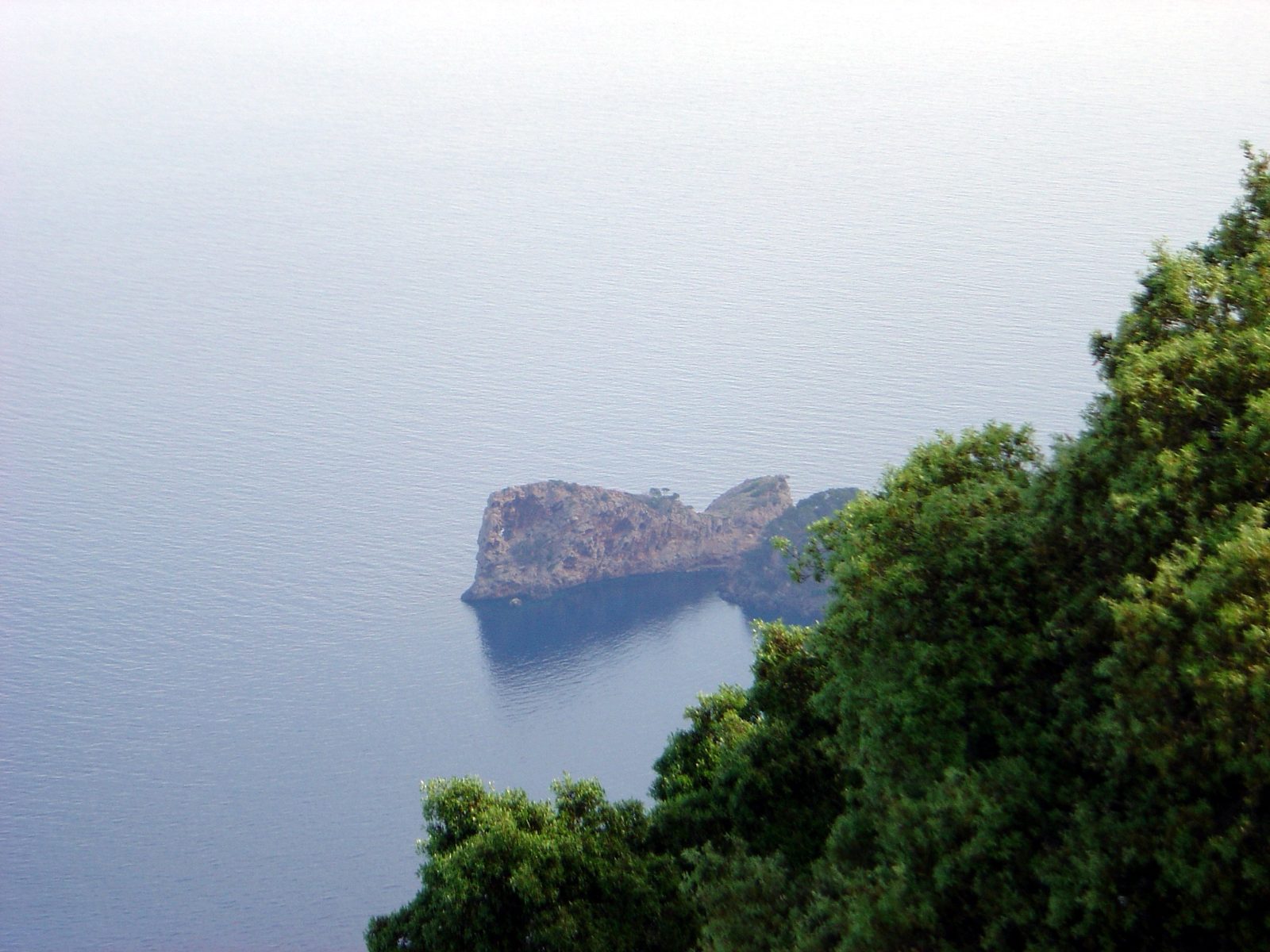
- Na Foradada headland below the wooded coast near Deià: Antoni Sureda, CC BY-SA 3.0, via Wikimedia Commons
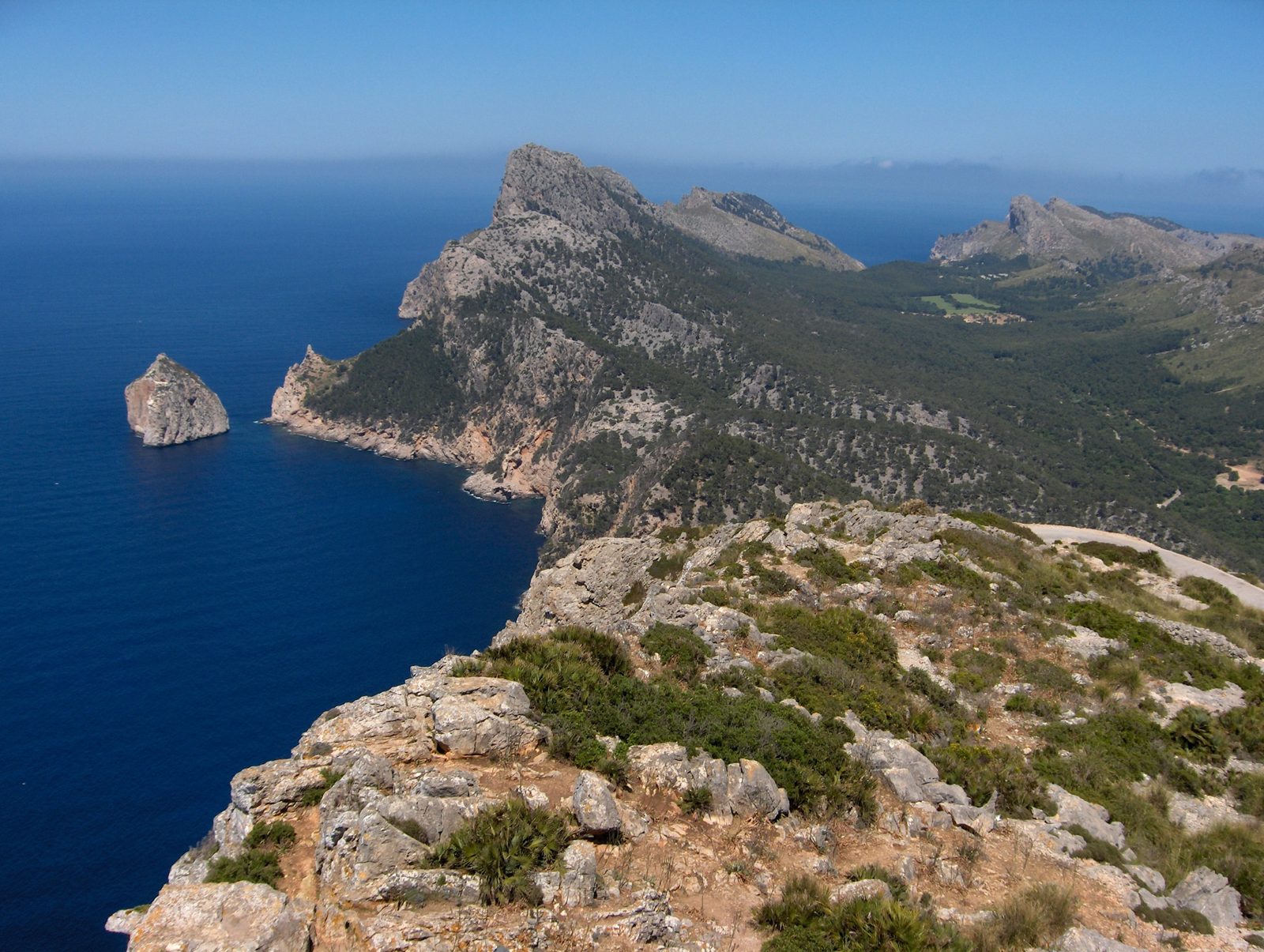
- Rocky Formentor peninsula and blue Mediterranean seen from Talaia d’Albercutx: Sethaphopes, CC BY-SA 3.0, via Wikimedia Commons
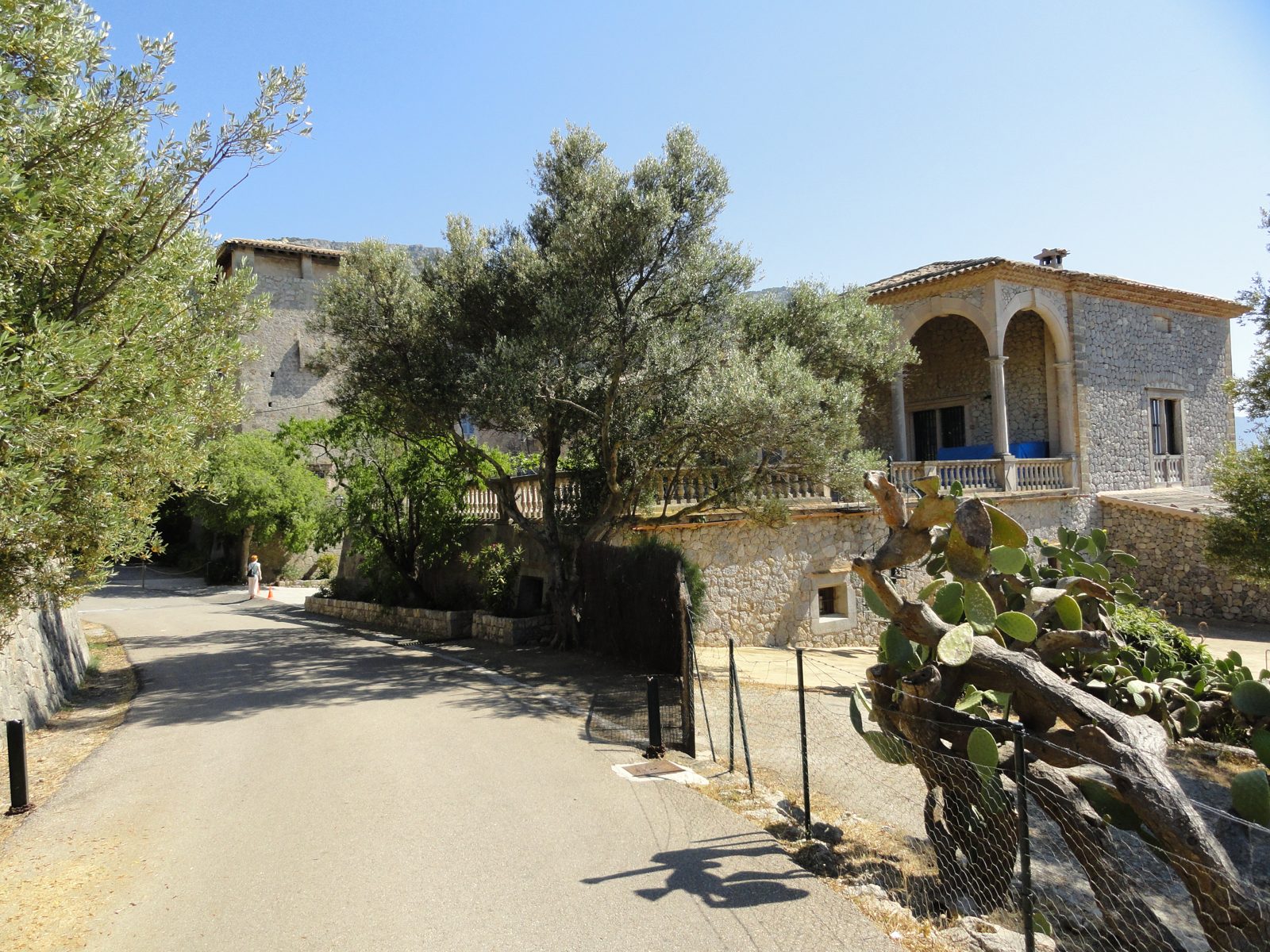
- Stone buildings, olive trees and prickly pear at Son Marroig: Luccio1973 WC, CC BY-SA 4.0, via Wikimedia Commons