The Virgin Coast: Hiking to the Unspoiled Calas of Felanitx and Manacor
For those willing to leave the car behind, the central-east coast hides a string of untouched beaches where the only sounds are the rhythmic waves and the wind through the pines. · 11 min read
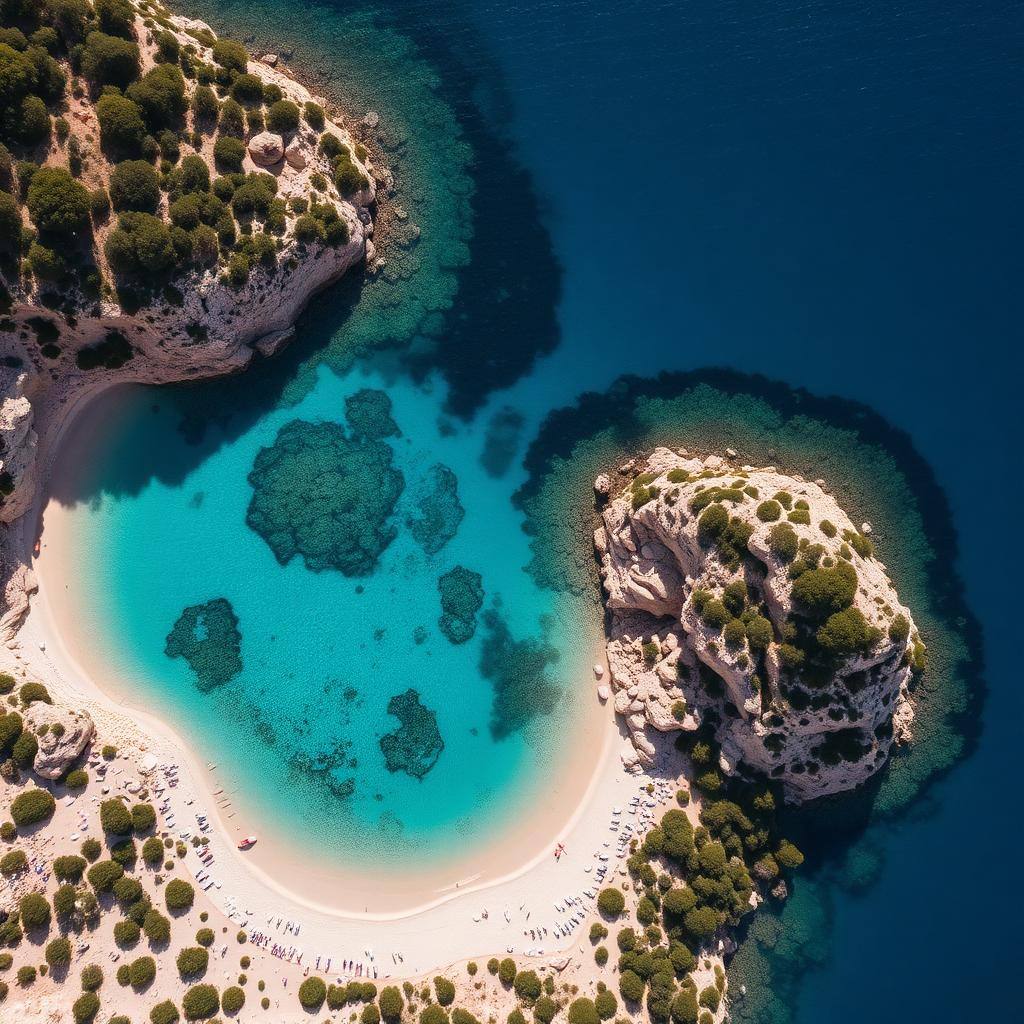
While much of Mallorca’s eastern coastline between Porto Cristo and Portocolom is dotted with resorts, there remains a significant stretch of 'virgin' coast. These are the Calas de Manacor—a series of inlets with no road access, no buildings, and no commercial services. Reaching them requires a commitment to hiking, often for 30 to 60 minutes across karst limestone terrain and through Mediterranean scrub. The reward is an experience of Mallorca as it was before the arrival of mass tourism: raw, quiet, and strikingly beautiful.
The Allure of Cala Varques
Cala Varques is the most famous of these remote spots, known for its fine sand and several nearby sea caves. In recent years, access has been restricted to prevent environmental degradation. You can no longer drive down the approach lane; parking is only permitted in designated areas along the Ma-4014 road. From there, it is a 45-minute walk.
- The walking path is rocky and uneven; do not attempt this in sandals; lightweight hiking shoes or trainers are recommended for the 3km journey.
- Water quality is exceptional here, attracting small yachts that anchor in the bay because they cannot be reached by land easily.
- Keep an eye out for the natural stone bridge (Pont d'en Gil) located a 10-minute walk south of the main beach—it is a stunning geological feat.
- There are no lifeguards on duty; always check sea conditions before swimming, as the currents can be surprisingly strong on windy days.
- Cala Varques has historically been popular with 'alternative' travellers; you may encounter nudists and small groups of free-climbers on the cliffs.
- Bring all food and at least 1.5 litres of water; once you leave the Ma-4014, there is nowhere to purchase supplies.
The 'Three Virgins': Magraner, Virgili, and Bota
South of Cala Varques lies a cluster of deep inlets that are even more secluded. These are accessed from a shared trailhead near the entrance of 'Cales de Mallorca.' The path splits, leading you to Cala Magraner, Cala Virgili, and Cala Bota. Because they are further from the main road, these beaches remain quiet even in August.
Navigating the Coastal Trail
The GR-221 doesn't run through here, but a series of well-marked coastal paths connect these bays. The terrain is largely 'Garriga'—short, hardy shrubs and wild olive trees. It is essential to stay on the paths to avoid damaging the delicate local flora, which includes several endemic orchid species that bloom in the spring months of April and May.
Walking these limestone paths in the early morning, with the scent of pine and rosemary in the air, you understand the true soul of the island. — Mateu Bennàssar, local environmentalist
Cala Pilota and Cala Elaia
If Cala Varques feels too busy, continue south to Cala Pilota. This tiny sliver of sand is rarely visited by anyone other than locals from Manacor. It is roughly a 20-minute walk from the area of Cales de Mallorca. The water is incredibly protected, making it a natural swimming pool except during rare easterly gales.
- Start your hike before 9:00 AM during summer to avoid the peak sun intensity; there is very little canopy cover on the trails.
- Download offline maps (like Maps.me or Komoot) as cellular data can be spotty in the deep depressions of the calas.
- If you see a small 'X' mark in red paint, it usually indicates a private property line or a dead-end trail; look for white and yellow trail markers instead.
- The rocky seabed in these inlets means a mask and snorkel are essential; you will see sea bream, ornate wrasse, and occasionally starfish.
- Respect the silence; these areas are part of a sensitive environmental zone where loud music and litter carry heavy social and legal consequences.
Practical Logistics
The best way to tackle this coast is by car, parking at the designated lots for 'Cala Romantica' and walking south, or at the entrance of 'Cales de Mallorca' and walking north. TIB Bus L416 serves these areas from Manacor, but the schedule is often limited to a few times a day, so check the 'tib.org' website carefully before heading out.
This eastern wilderness is a testament to Mallorca's commitment to preserving its natural heritage. For the traveller who seeks more than just a towel on the sand, these hiking trails offer a profound connection to the Mediterranean landscape.