The Wild North: A Journey Along the Ma-10's Most Remote Coastal Inlets
Escaping the frantic southern resorts requires a steady hand on the steering wheel and a willingness to hike through pine forests toward the Tramuntana mountain range's pristine limestone shores. · 12 min read
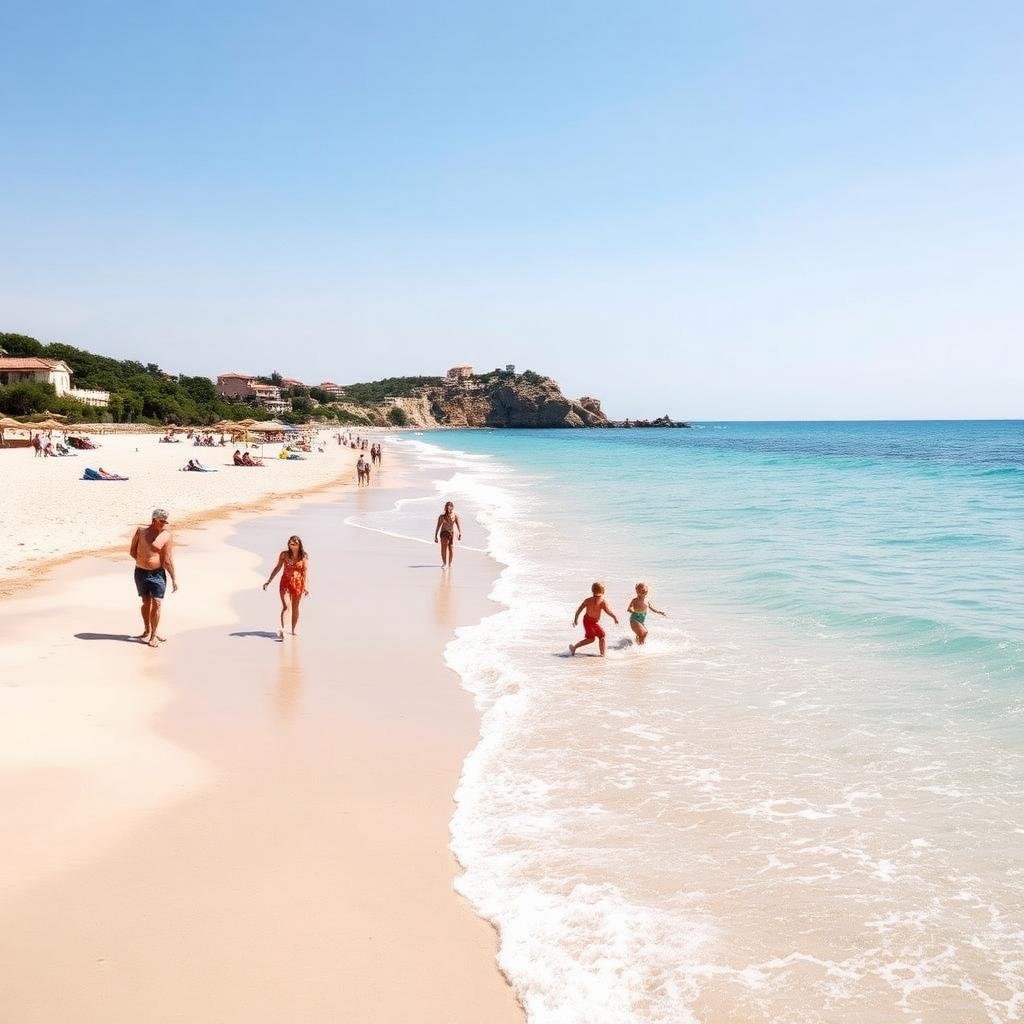
The northern edge of Mallorca represents a stark departure from the manicured sands of the south. Here, the Serra de Tramuntana mountains collide with the Mediterranean, creating a landscape of vertical cliffs and deep, pebble-strewn inlets. Reaching these spots often involves navigating the infamous tie-knot curve on the road to Sa Calobra or embarking on a forty-minute trek through holm oak forests. This guide focuses on the authentic, rugged side of the island where the wind is often salty, the water is a deep navy, and the facilities are intentionally sparse to preserve the ancient character of the Mallorcan coastline.
The Descent to Cala Tuent
Tucked beneath the shadow of Puig Major, the island's highest peak, Cala Tuent offers perhaps the most dramatic backdrop of any beach in the Balearics. Unlike its neighbor Sa Calobra, it lacks the bus tours and the tunnel access, making it a quieter refuge for those who value solitude over convenience. The beach is composed of smooth stones and coarse sand, flanked by the rustic Es Vergeret restaurant perched on the hillside above.
- Access via the Ma-2141, a winding road branching off the Ma-10; allow at least 50 minutes from Sóller due to narrow hairpin bends and slow-moving cyclists.
- Parking is limited to a small unpaved area near the beach entrance; arrive before 10:30 during July and August to secure a slot without obstructing traffic.
- The water here is significantly deeper and colder than southern shores, dropping off quickly into a maritime zone popular with local snorkellers seeking grouper and octopus.
- Dining at Es Vergeret requires booking 48 hours in advance; expect to pay 28 to 35 EUR for their signature seafood paella with views of the bay.
- There are no public toilets or showers on the beach itself; visitors should bring sufficient water and carry out all waste to keep the ecosystem intact.
- Mobile reception is almost non-existent at the water's edge due to the surrounding 1000-metre peaks, making it an ideal spot for a digital detox.
Sa Calobra and Torrent de Pareis
Sa Calobra is an architectural marvel of nature, where the Torrent de Pareis canyon meets the sea. While it attracts significant tourist numbers, visiting early in the morning or late in the afternoon reveals its true majesty. The walk through the illuminated pedestrian tunnels carved into the rock is a ritual for any serious traveller, leading to a small pebble beach framed by two titan-sized cliffs.
Hiking the Canyon Floor
For the physically fit, the hike down the Torrent de Pareis from Escorca is an elite experience. It takes around five hours and involves scrambling over boulders the size of small cars. It is only safe to attempt between May and September when the gorge is dry. Attempting this after rain is dangerous due to flash floods and slippery limestone surfaces.
There is a profound silence in the depths of the Torrent de Pareis that you simply cannot find on the sun-lounger-clad beaches of the south. — Joan Miró, local mountain guide
Cala Figuera and Formentor
Not to be confused with the fishing village in the south, this Cala Figuera is located on the Formentor peninsula. Getting here requires navigating the Ma-2210. Since 2021, vehicle restrictions apply from 10:00 to 22:30 between Port de Pollença and the lighthouse. You must use the shuttle bus L334 to reach the trailhead, which costs roughly 3 EUR for a single ticket.
- The descent from the road to the beach takes 15 to 20 minutes on a steep, rocky path; sturdy footwear is essential as flip-flops will fail you.
- The beach is 100% natural, meaning no umbrellas, no bars, and often a moderate amount of Neptune Grass (Posidonia), which indicates very clean water.
- Expect to share the space with inquisitive goats that frequently descend from the cliffs searching for food in unguarded bags; keep your belongings zipped tight.
- The bay is protected from the northern Tramuntana winds, resulting in glassy, transparent water that is perfect for surface diving near the rocky edges.
- Early October is the golden month here; the sea remains warm at 22 degrees, the bus restrictions often end, and the crowds vanish entirely.
Practicalities for the North
Safety and preparation are paramount when exploring the north. Unlike the sandy stretches of Palmanova, these beaches offer little in the way of shade or emergency services. Ensure your vehicle has a full tank before leaving Inca or Pollença, as petrol stations are sparse once you enter the mountain passes. Always carry at least two litres of water per person, especially if hiking to Cala Boquer or Cala Murta.
What to Pack
- High-quality water shoes to protect against the sharp limestone and sea urchins common in the rocky inlets between Lluc and Cala Sant Vicenç.
- A fast-drying microfibre towel; heavy cotton towels are difficult to carry back up steep inclines when they are wet and sandy.
- A portable power bank, as searching for signal in low-coverage mountain zones will drain your phone battery faster than usual.
- A physical map of the Tramuntana; GPS can be unreliable in deep valleys like Sa Calobra or the shadows of the Gorg Blau reservoir.
- A small first-aid kit containing antiseptic and plasters; the sharp rocks at the entrance of Cala Carbó are unforgiving on bare skin.
Cala Sant Vicenç Character
Moving toward the northeast, Cala Sant Vicenç offers a more civilized experience without losing its dramatic edge. Comprising four small coves—Cala Barques, Cala Clara, Cala Molins, and Cala Carbó—this area is famous for its crystalline water and the silhouette of the Cavall Bernat ridge. It is a prime location for those who want mountain views but also desire a cold beer and a proper sun lounger.
Cala Molins is the sandy one, preferred by families using the TIB L322 bus from Pollença. Cala Barques is the most picturesque, often filled with small wooden boats and offering a view of the prehistoric caves of l'Alzinaret nearby. For a quieter afternoon, walk five minutes further to Cala Carbó, where pebbles replace sand and the tourists are largely outnumbered by local residents.
Exploring these northern outposts requires more effort than a typical beach day, but the reward is an encounter with the raw, prehistoric beauty of Mallorca that the urbanized south has long since forgotten.