Turquoise Dreams: Navigating the Sun-Drenched Bays of Santanyí and Felanitx
The southeast coast is a masterclass in Mediterranean aesthetics, where brilliant white sands meet water so clear that boats appear to be floating on air. · 10 min read
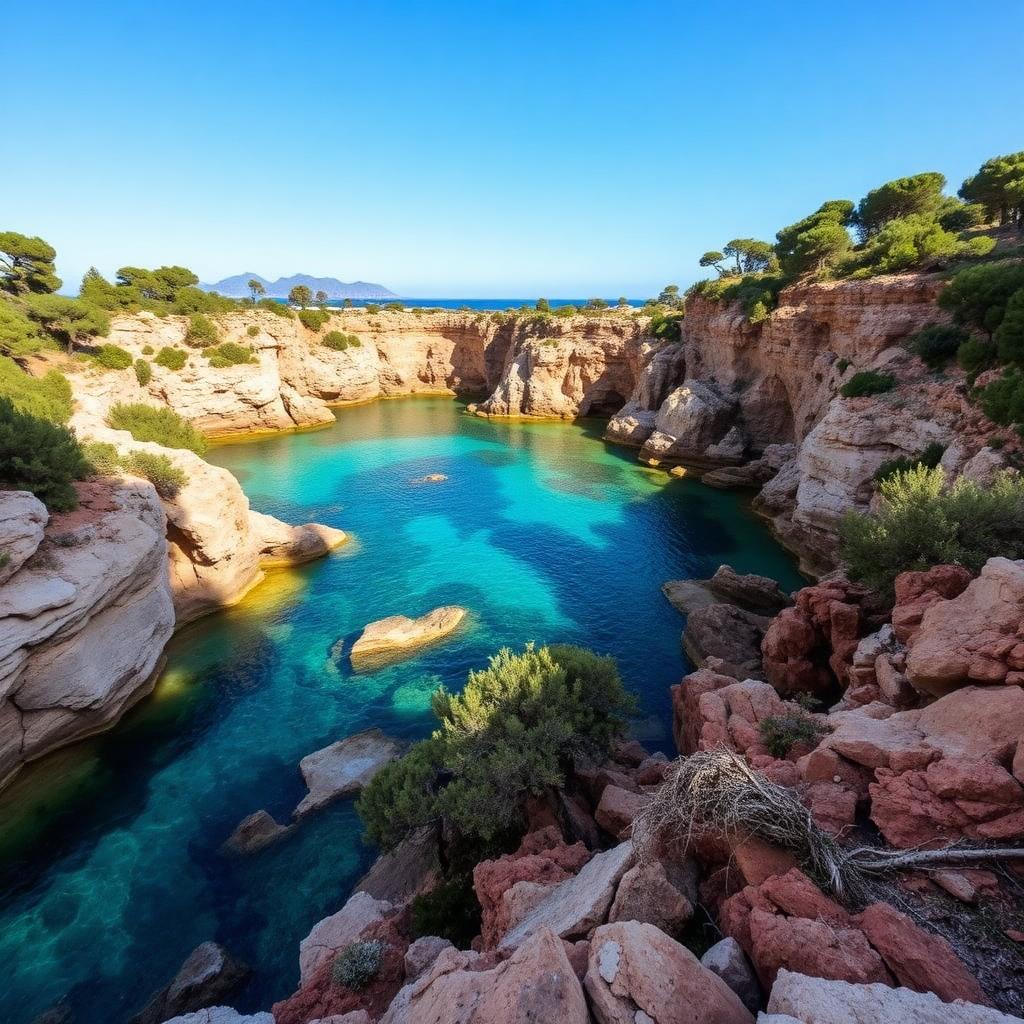
The southeast corner of Mallorca, particularly the municipality of Santanyí, is home to the island's most photographed shorelines. This is the land of the 'Cala'—deep, narrow inlets carved into the limestone by ancient streams, resulting in shallow, calm waters and fine white sand. While the beauty is undeniable, the popularity of spots like Caló des Moro has necessitated strict management. Understanding the timing, access routes, and local regulations is essential to enjoying these iconic locations without the frustration of overcrowding.
The Legend of Caló des Moro
Caló des Moro is frequently cited as the most beautiful beach in Europe, and in early June or late September, it is easy to see why. However, the beach itself is tiny. There are no facilities, no bars, and almost no flat sand at high tide. It is a place for a swim and a photograph rather than a full day of lounging. Access is via a 15-minute walk from the designated parking area near Cala Llombards.
- Parking in the residential streets of Es Llombards is strictly forbidden and heavily fined; use the large gravel car park on the outskirts of the village.
- Expect significant queues just to access the shore during the peak months of July and August; arrivals after 9:00 AM usually face a 'one-in-one-out' system.
- The descent involves a steep, dusty path that is not suitable for those with limited mobility or heavy strollers.
- Combine this with a visit to the adjacent Cala S’Almunia, a traditional fishing cove with stone slips and deep water perfect for cliff jumping.
- Sun disappears early here due to the high cliffs; by 17:00, most of the cove is in shadow even in the height of summer.
- Pack your own refreshments; the nearest shop is a 20-minute walk back to the parking area.
Mondragó Natural Park
For a more expansive experience, the Parc Natural de Mondragó offers two major beaches, Cala Mondragó (Sa Font de n’Alis) and S’Amarador, connected by a scenic coastal path. Because this is a protected area, the development is minimal, though you will find a couple of beach bars and basic bathrooms. The surrounding pine forests offer much-needed shade during the Mediterranean midday heat.
Cala Llombards: The Family Choice
Cala Llombards is widely considered the best 'all-rounder' in the southeast. It features an easy-access car park just steps from the sand, a charming beach bar (Chiringuito) serving fresh sardines and cold San Miguel, and thatched umbrellas for rent. The water remains shallow for several meters, making it exceptionally safe for children.
Cala Llombards strikes that rare balance between the wild aesthetic of a remote cove and the practical comforts required for a long summer day. — Elena Serra, MBook Travel Architect
Cala Figuera: A Visual Feast
While Cala Figuera is not a swimming beach in the traditional sense, it is an essential coastal stop. This traditional fishing port features white-washed houses with green shutters built directly into the rock. Fishermen still mend their nets on the docks, and the smell of grilled fish from the waterfront restaurants like Pura Vida or Restaurante archipiélago is intoxicating.
- Visit in the late afternoon to watch the fishing boats return with the daily catch, usually around 16:00 to 17:00.
- For a swim nearby, drive 10 minutes to the rocky platforms of Es Pontàs, a giant natural arch rising from the sea that is a world-class rock climbing destination.
- Parking is available at the top of the village; the walk down to the harbour is steep but incredibly picturesque.
- Sample the local Santanyí salt (Flor de Sal d’Es Trenc) in the boutiques that line the main street of the upper village.
- The TIB bus L501 connects Santanyí to Palma, though a car is highly recommended to reach the specific trailheads for the coves.
The southeast is best explored with a 'slow travel' mindset. Don't try to see five coves in one day. Pick one, arrive early, and settle in. The light changes beautifully from the morning's bright turquoise to a soft amber in the evening, making the Santanyí coast a dynamic landscape for those who take the time to observe.
Ending your day in the town of Santanyí for dinner is the local way. The market days on Wednesdays and Saturdays add a vibrant hum to the stone-paved streets, where you can find everything from artisan leather to local almonds.