A Guide to Mallorca's Coastal Diversity: From Turquoise Coves to Deserted Dunes
Selecting the right beach in Mallorca is an art of timing, location, and knowing which dirt tracks lead to the quietest waters. · 11 min read
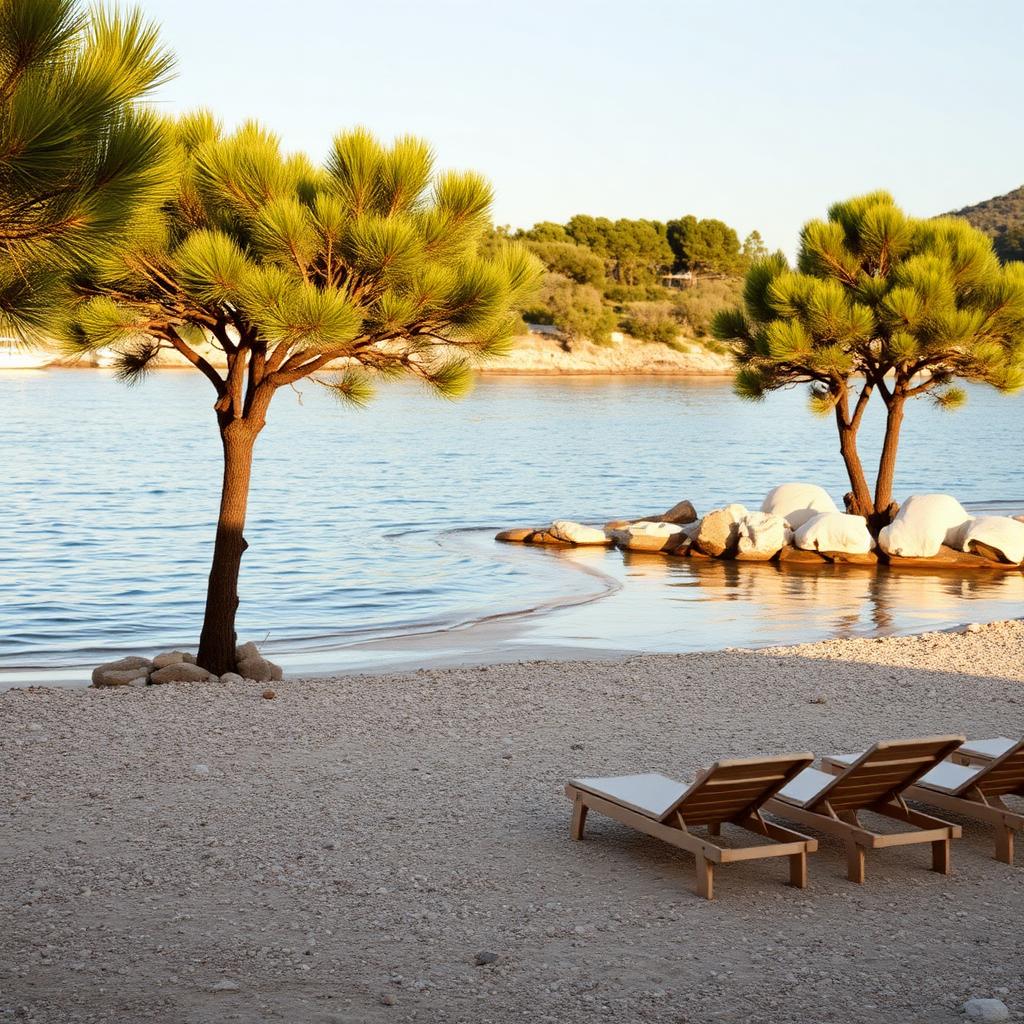
Mallorca’s 550 kilometres of coastline offer everything from the Caribbean-style flatness of the south to the dramatic, deep-water fjords of the east coast. For a first-time visitor, the sheer volume of choice can be paralyzing. The secret to a successful beach day is acknowledging that the most famous spots, like Caló des Moro, become impossibly packed by 10:00. Success lies in your willingness to walk the final 20 minutes or to rent a small boat from a local 'portet'. Whether you seek the fine white sand of the Llevant region or the cooling pine-shaded pebbles of the Tramuntana, the Mediterranean here is as clear and inviting as any water in the world.
The Southern Giants: Es Trenc and Ses Covetes
Es Trenc is the island's most famous beach for a reason: seven kilometres of undeveloped dunes and shallow, pale turquoise water. Part of a protected maritime-terrestrial park, it lacks the high-rise hotels that mar other stretches of the coast.
- Arrive before 09:30 or after 17:30; the official car park costs 7 EUR and fills up rapidly during the summer months.
- There are very few facilities; bring plenty of water and a parasol, as the sun reflection off the white sand is intense.
- Explore the nearby Flor de Sal d'Es Trenc salt flats for a gourmet souvenir and a glimpse of pink flamingos in the wetlands.
- Park at Ses Covetes for a slightly shorter walk to the most scenic parts of the shoreline.
- Check the wind direction; if the wind is coming from the south, Es Trenc can become wavy and attract sea grass.
- Expect a mix of families and nudists; the northern end toward Ses Covetes is traditionally more clothing-optional.
The Eastern Calas: Intimate and Iconic
The east coast is perforated with 'calas'—narrow inlets flanked by pine-clad cliffs. Cala Llombards and Cala Santanyí are local favorites, offering calm waters perfect for snorkeling, provided you can find a square meter of sand to claim as your own.
The North: Formentor and Alcúdia
Platja de Formentor is a narrow strip of sand backed by a dense forest of pines. The water here is incredibly calm, making it a preferred spot for luxury yachts to anchor.
Water Safety and Etiquette
Always heed the flags: green is a go, yellow is caution, and red means the currents are dangerous. The Mediterranean may look like a pool, but the undercurrents around Sa Dragonera are no joke.
- Look for the 'Blue Flag' status, which indicates high water quality and environmental standards across Mallorca's major beaches.
- Apply sunscreen liberally and frequently; the breeze often masks the intensity of the Balearic sun until the burn is already set.
- Rent a 'Pedaló' (pedal boat) for around 20 EUR per hour at the larger beaches like Port d'Alcúdia to escape the shoreline crowds.
- Wear rock shoes if visiting the 'calas' of the west coast (like Llucalcari) to protect against sharp limestone and sea urchins.
- Taxis from Cala d'Or to the nearby coves generally have fixed prices; ask for the price list before you set off.
- Don't take sand or shells from protected areas like Es Trenc; it is illegal and damages the delicate ecosystem.
Beachfront Dining: The Chiringuito
A 'chiringuito' is more than a beach bar; it is the hub of summer life. S'Embat in Ses Covetes is famous for its nomadic, bohemian vibe and live music, while the more polished beach clubs in Illetes cater to the cocktail-sipping crowd.
Closing the Shoreline Chapter
Whether you are jumping off the rocks into the deep sapphire of Cala Mondragó or watching the sunrise over the Bay of Pollença, Mallorca’s coast is its greatest asset. Treat it with the respect it deserves—leave no trace, use reef-safe sunscreen, and always, always let the sound of the waves dictate your schedule.