Beyond the Sobrassada: A Definitive Guide to Mallorcan Dining Customs
Eating in Mallorca is a ritual involving secret bakeries, sprawling mountain terraces, and the delicate balance between sea-salt and sweet ensaïmada pastry. · 11 min read
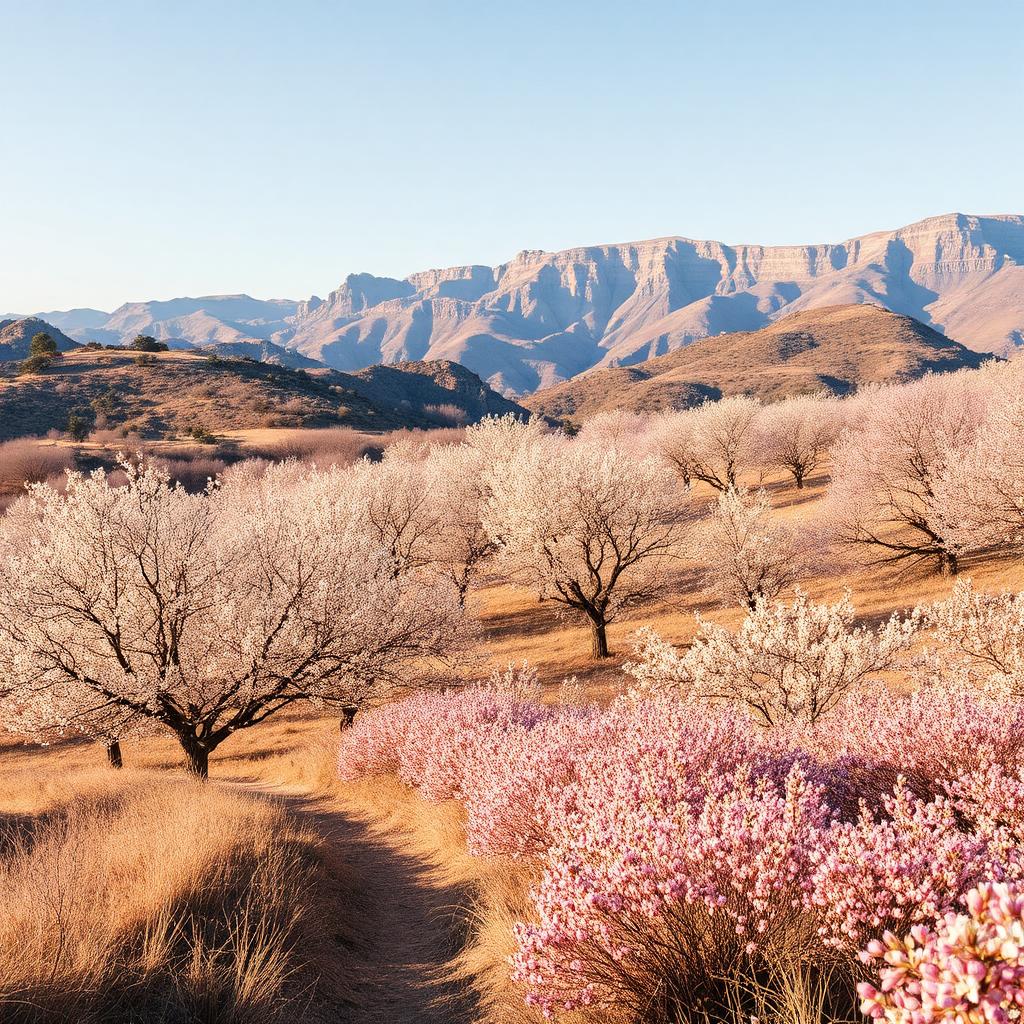
To eat like a Mallorcan is to understand the soul of the Mediterranean backyard. For too long, the island’s culinary reputation was unfairly dominated by generic international fare for tourists. However, a deep dive into the 'cellers' (converted wine cellars) of the interior reveals a cuisine built on pork, almond, seasonal citrus, and incredibly fresh seafood. Whether you are queueing for a flour-dusted pastry in a dusty alleyway or sipping a crisp Prensal Blanc overlooking the Dragonera island, the quality is found in the simplicity of the ingredients. To eat well here, you must abandon the 18:00 dinner habit and embrace the slow, mid-afternoon feast that defines local life.
The Sacred Ritual of the Ensaïmada
You will see the iconic octagonal boxes at the airport, but the best versions are found at Can Joan de s'Aigo in Palma, which has been serving these coiled lard-based pastries since 1700. For something truly authentic, ask for 'tallades' topped with candied fruit or 'cabell d'àngel' (pumpkin jam).
- Visit Horno Santo Cristo in Palma for a classic ensaïmada; expect to pay around 12-18 EUR for a large take-home box.
- Always order your ensaïmada with a thick 'chocolate a la taza' or almond milk if visiting in the winter months.
- Understand that 'saïm' means lard; these are not vegetarian-friendly, though some modern bakeries are beginning to offer alternatives.
- Look for the 'Indicació Geogràfica Protegida' seal to ensure you are buying a product made with traditional Balearic wheat and methods.
- Try the 'ensaimada de sobrassada i mel' for a sweet-and-savory combination that locals swear by for Sunday breakfast.
- Avoid buying them from the airport duty-free if possible; they are far fresher and cheaper at local neighborhood bakeries like Forn de la Pau.
Dining in the Historic Cellers
In the central heartland, particularly towns like Inca and Petra, the traditional restaurants are located in subterranean wine cellars. Celler C'an Amer in Inca is an institution where the stone arches provide a cool sanctuary to enjoy 'Arros Brut' (dirty rice), a spicy, fragrant stew containing meat and local mushrooms.
The Staple: Pa amb Oli
The most humble and ubiquitous dish is 'Pa amb oli'—dark brown bread rubbed with 'ramallet' tomatoes, drizzled with virgin olive oil, and topped with Mahón cheese or cured ham. For the best version, head to S'Hostal in Algaida, where the portions are legendarily large.
Navigating the Wine Regions
Forget what you know about Rioja; Mallorca's native grapes like Manto Negro and Callet produce earthy, structured reds that taste like the iron-rich soil of Binissalem.
- Book a tasting at Bodegas Ribas in Consell, one of the oldest wineries on the island, for roughly 25 EUR including tapas.
- Look for the 'DO Binissalem' or 'DO Pla i Llevant' labels on wine lists to ensure you are drinking authentic island-grown vintages.
- Try the white wines made from Premsal Blanc; they are light, floral, and perfect for a humid afternoon in a coastal chiringuito.
- Don't miss the 'Hierbas Dulces', a herbal liqueur served over ice after dinner; it is an anise-based digestive made with local herbs.
- The town of Santa Maria del Camí hosts excellent 'Wine Days' in May, where small producers open their barrels to the public.
- Expect to pay between 15-30 EUR for a mid-range bottle of local wine at a restaurant; house wine is often under 10 EUR per carafe.
Coastal Seafood and the Sóller Prawn
For seafood, the Gamba Roja de Sóller is the undisputed king. These bright red, sweet prawns are best enjoyed simply grilled with sea salt at any of the restaurants lining the Port de Sóller waterfront, though you will pay a premium (often 40 EUR+ per kilo) for the privilege.
Coffee Culture and Late Nights
A 'café amb llet' (latte) is for breakfast, while a 'café solo' (espresso) or 'tallat' (macchiato) follows lunch. If the sun is particularly fierce, order a 'café amb gel'—you will be served your espresso next to a glass with a large ice cube, into which you pour the hot coffee.
- Visit the Santa Catalina market in Palma for 'tardeo'—a Saturday afternoon tradition of drinking and snacking that starts at 13:00.
- Order 'Pica Pica' (spicy cuttlefish stew) as a shared starter; it is a quintessential Mallorcan tapa found in any village bar.
- Note that many traditional kitchens close between 16:00 and 20:00; if you're hungry during this time, stick to tapas bars or bakeries.
- Fruit is a big deal here; the Sóller oranges and citrus-based desserts are mandatory when in the northwest of the island.
- Almonds are the island’s second gold; try 'Gató d'ametlla', a flourless almond cake often served with almond ice cream.
- Expect to pay around 1.50 EUR for a coffee in a village and up to 4 EUR in the luxury hotels of the Paseo Marítimo.
Final Culinary Wisdom
Mallorca’s food scene is as much about the environment as the plate. A simple sandwich on the beach at Ses Covetes can be as memorable as a Michelin-starred meal at Marc Fosh. Follow the locals, eat with the seasons, and never, ever rush your coffee.