First Time in Mallorca — The Essentials
Everything you need to know before you land — currency, language, getting around and what to pack. · 6 min read
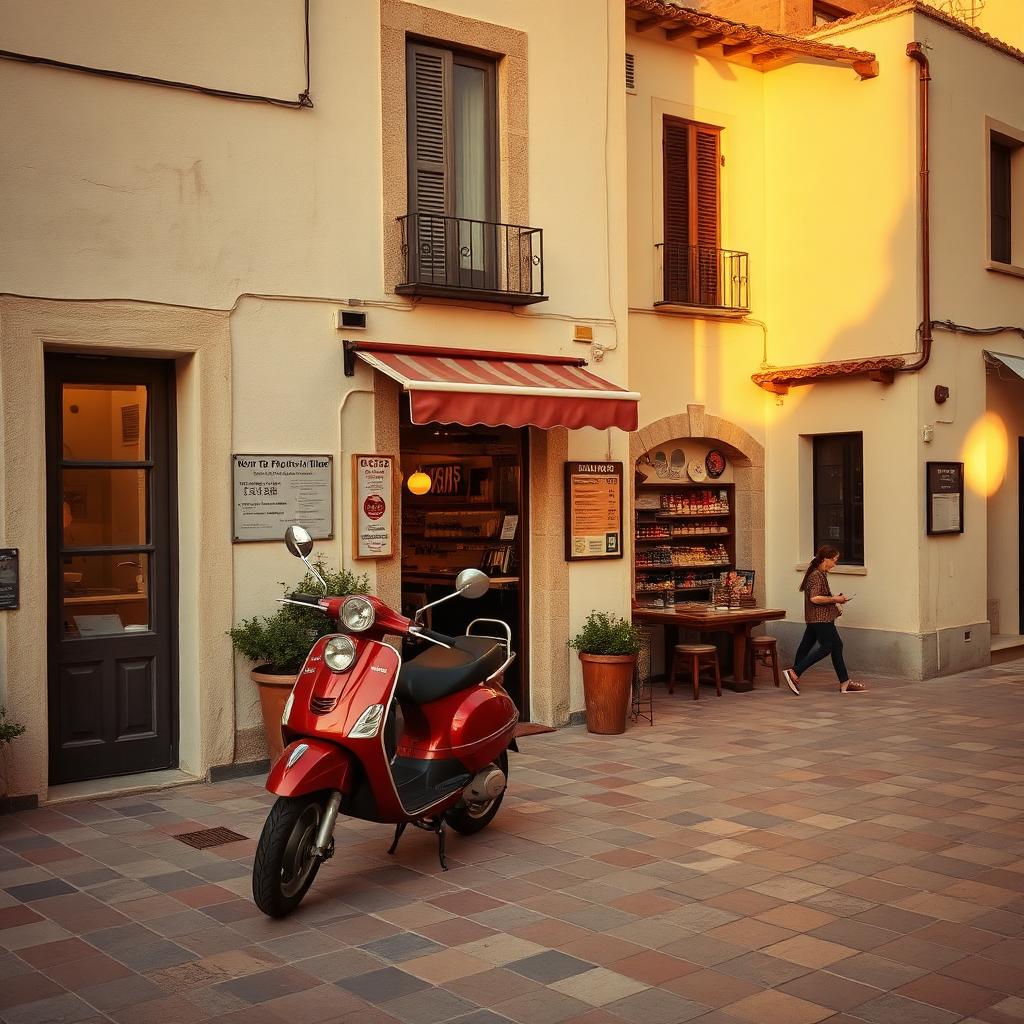
Mallorca is one of the easiest European islands to visit — fly in, swim by lunchtime, eat well, sleep deeply. But a little preparation turns a good trip into a great one. This is the practical primer locals wish first-time visitors arrived with — no fluff, no recycled clichés, just what we'd tell a friend who'd never been before.
La Seu at golden hour — your first walk in Palma should be along the seafront under the cathedral.
Language and how to be polite
Spanish (Castilian) is universally spoken, and Catalan — specifically the Mallorquí dialect — is the co-official language and the one you'll hear in villages, on road signs and in older restaurants. English is widely understood in Palma and tourist areas, less so inland. A few words of Spanish or Catalan go a long way: 'bon dia' (good day), 'gràcies' (thank you), 'una cervesa, si us plau' (a beer, please).
Currency, cards and tipping
The Euro is the only currency. Cards are accepted almost everywhere, including small village bars, but always carry €30–50 in small notes for markets, beach bars and the occasional restaurant that's 'cash only this week'. Tipping is appreciated but never required — round up the bill or leave 5–10% for a meal you enjoyed.
Getting from the airport
Palma de Mallorca Airport (PMI) is a 15-minute drive from the city centre and well-served by:
- Airport bus 1 (EMT) — to Palma centre and the cruise port; €5, every 15 minutes
- Taxi — about €25 to Palma, €40–60 to north/east coast resorts; metered, no haggling
- Hire car — collect inside the terminal; book ahead for July/August
- Pre-booked transfer — often the cheapest option for groups of three or more
When to come
May, June, September and early October are the locals' choice — warm sea, fewer crowds, easier parking and bookings. July and August are spectacular but require early starts and reservations weeks in advance. Winter is quieter and underrated — perfect for hiking, almond blossom and long lunches by the fire.
Do you need a car?
If you're staying in Palma the whole trip, no — the city is walkable, taxis are cheap and buses cover most of what you'd want. Anywhere else on the island: yes, absolutely. The bus network connects the towns, but the best beaches, coves, restaurants and villages are reached only by car. Book ahead (especially for July/August), choose a small car (Mallorcan villages were not built for SUVs), and always take the optional extra insurance — scratches in tight medieval lanes are a near-certainty.
The medieval walls of Alcúdia — half a day well spent away from the beach.
What to pack
- Reef-safe sunscreen (the chemical sunscreens are banned in some natural parks)
- Water shoes — many of the prettiest coves are pebbly
- A light layer for evenings, even in summer — sea breeze cools quickly
- A small daypack for hikes and market days
- Adapter, if not coming from continental Europe
Safety and common sense
Mallorca is one of the safest places you'll travel in Europe. Petty theft happens in busy Palma streets — keep bags zipped on a crowded bus, never leave anything visible in a parked car at a beach trailhead. Otherwise relax: islanders are friendly, helpful and proud to share their home.