A Masterclass in Navigating the Island from Palma to Pollença
Success in Mallorca relies on understanding the distinct micro-climates and transit rhythms that define the difference between a crowded transit trap and a serene Mediterranean escape. · 10 min read
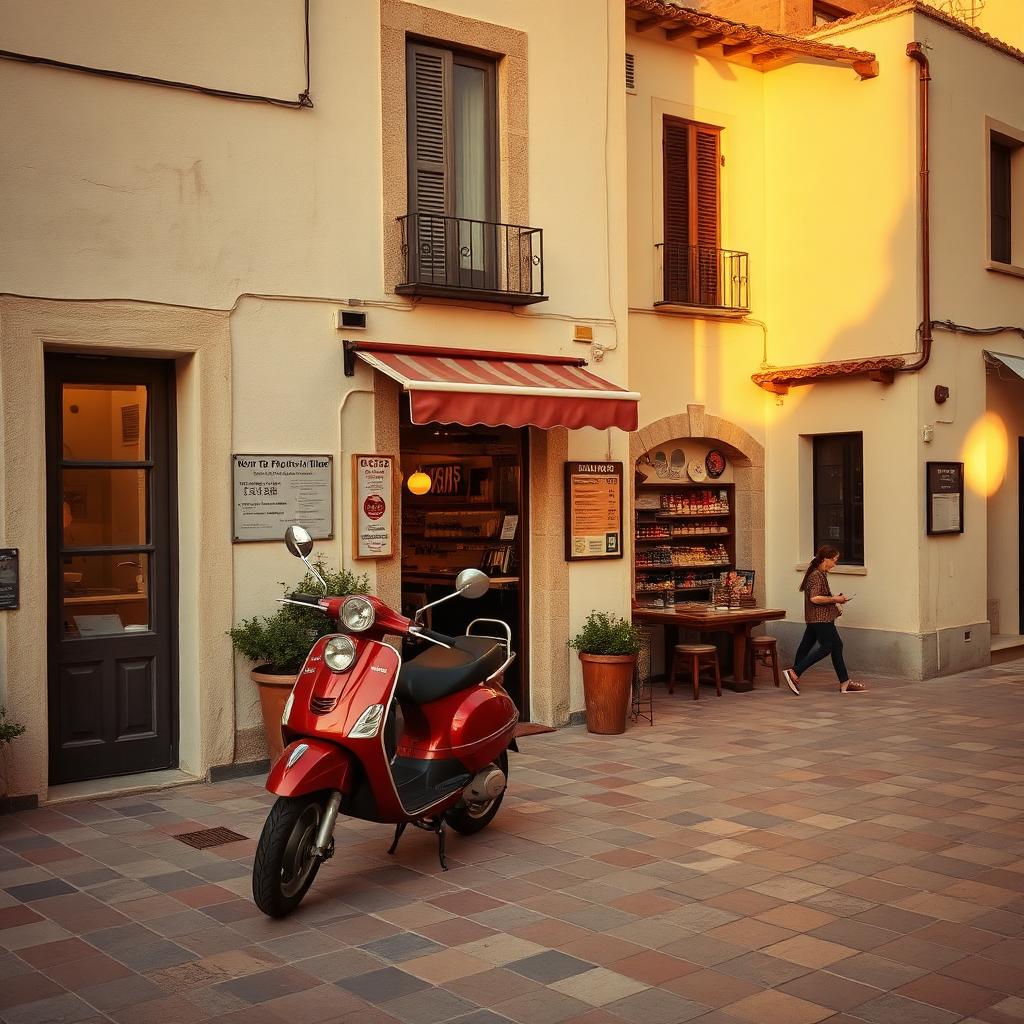
Landing at Aeroport de Son Sant Joan (PMI) during the height of July can feel like a sensory assault, but with the right tactical approach, you can bypass the rental car chaos and reach your finish line in under an hour. Mallorca is significantly larger than visitors anticipate; it is roughly four times the size of Ibiza, demanding a respect for its geography that many ignore. To truly capture the spirit of the Balearics, one must balance the efficiency of the Ma-19 motorway with the slow-velocity charm of the northern mountain passes. Whether you are aiming for the golden sandstone of Palma or the rugged cliffs of the Tramuntana, your first 48 hours will dictate the tempo of your entire stay.
Mastering the Airport and Initial Transit
The A1 EMT bus connects the airport to Plaça d'Espanya every 15 minutes for 5 EUR, but if your destination lies further afield, the red-and-yellow TIB buses are remarkably efficient. For those heading north to Alcúdia, the A32 express route is a revelation, skipping the coastal crawls to reach the bay in approximately 55 minutes.
- Opt for the A1 bus to reach Palma centre in 22 minutes, costing 5 EUR per person with a convenient contactless payment system.
- Pre-book car rentals specifically with reputable local firms like Roig or Record Go to avoid the notorious 50 EUR surcharge for airport-only desks.
- Utilize the TIB L301 and L302 lines for direct access from Palma to Pollença and Inca, providing a reliable alternative to high-priced private transfers.
- Remember that Palma airport is the third busiest in Spain; allow at least 150 minutes for departure during the peak August weekends.
- Avoid illegal street taxis; official ranks are clearly marked outside Gate 4 with fixed prices circa 25-30 EUR for central Palma hotels.
- Download the MobiPalma app to track real-time bus arrivals across the EMT network, ensuring you never wait more than 8 minutes for a connection.
The Geography of Five Distinct Regions
Understanding the island requires mental division: the Serra de Tramuntana mountains to the north-west, the agricultural Pla in the centre, the resort-heavy Llevant to the east, the rugged Migjorn south, and the cosmopolitan Palma hub. Each region demands a different attire and attitude.
The Central Plains and Vineyards
Venture into the heart of the island via the Ma-13 to find the 'Pla'. Villages like Sineu and Santa Maria del Camí offer a slower pace, where the Wednesday and Sunday markets provide genuine local produce rather than mass-produced trinkets.
Currency and Connectivity Realities
Spain might be increasingly digital, but in a mountain refuge like Muleta or a back-street taberna in Petra, the 20 EUR note remains the most powerful tool in your pocket.
- Carry small denominations of Euro for agricultural markets where vendors rarely accept cards for purchases under 10 EUR.
- Most major banks like CaixaBank have ATMs with English interfaces, but beware of Euronet machines which charge exorbitant conversion fees.
- Tipping is not mandatory but rounding up to the nearest 5 EUR at dinner is a gracious gesture that locals appreciate.
- Ensure your mobile plan covers EU roaming; while Palma is a 5G fortress, the Valldemossa valleys often have complete dead zones.
- Standard dining times are late; lunch begins at 14:00 and dinner rarely starts before 20:30, especially in authentic villages.
- Tap water is technically safe but has a high mineral content; most residents prefer Font Major or locally filtered Aguativa.
Navigating the Palma Urban Jungle
Palma is best explored on foot, but the 12.50 EUR Bicipalma day pass is excellent for cycling along the Paseo Marítimo toward Portitxol. Stick to the side streets of Sa Gerra and Calatrava to avoid the pedestrian congestion of Carrer de Sant Miquel.
Historical Transit Icons
The Ferrocarril de Sóller is more than a tourist attraction; it is a 1912 vintage electric train carved through the mountains. A combined ticket for the train and tram to Port de Sóller costs roughly 32 EUR and is worth every cent for the Soller Valley views.
Seasonal Shifts and Booking Cycles
Mallorca is a different beast in April than it is in August. The 'shoulder' months of May and September offer the best balance of warm Mediterranean waters (roughly 22 degrees) and manageable crowds at sites like Castell de Bellver.
- Book accommodation at least six months in advance for July stays, especially for boutique properties in Deià like Belmond La Residencia.
- Winter (November to March) is the season of hikers and almond blossoms, with many coastal resorts effectively shutting down for the season.
- Easter brings the 'Setmana Santa' processions in Palma, which are visually stunning but cause significant road closures in the old town.
- The Sant Joan festivals in late June involve bonfires and beach parties across the island; it is the loudest week of the year.
- September is harvest season in Binissalem; expect wine festivals and a slightly more relaxed local atmosphere throughout the region.
- Avoid visiting the Dragonera island during high winds, as the boat crossings from Sant Elm (costing 15 EUR) are frequently cancelled for safety.
The Art of Slowing Down
The single greatest mistake newcomers make is trying to drive the entire island in three days. Focus on one quadrant at a time. Spending an afternoon under the pines at Cala Pi is infinitely more rewarding than a six-hour road trip through five different beaches.
The island reveals its best secrets only when you stop checking the GPS and start following the scent of wild rosemary and salt air. — MBook Editorial Team
Closing Your Arrival Chapters
Once you have secured your transport and understood the layout of the Ma-20 beltway, the island becomes your playground. From the high-altitude silence of the Lluc Monastery to the buzzing markets of Llucmajor, Mallorca rewards the prepared traveller who knows when to stick to the plan and when to veer off towards an unmarked dirt track.