A Walk Through the Centuries: Navigating Palma's Gothic and Baroque Core
Palma is a city of layered civilisations, from Roman foundations to Moorish baths and the soaring verticality of La Seu cathedral. · 10 min read
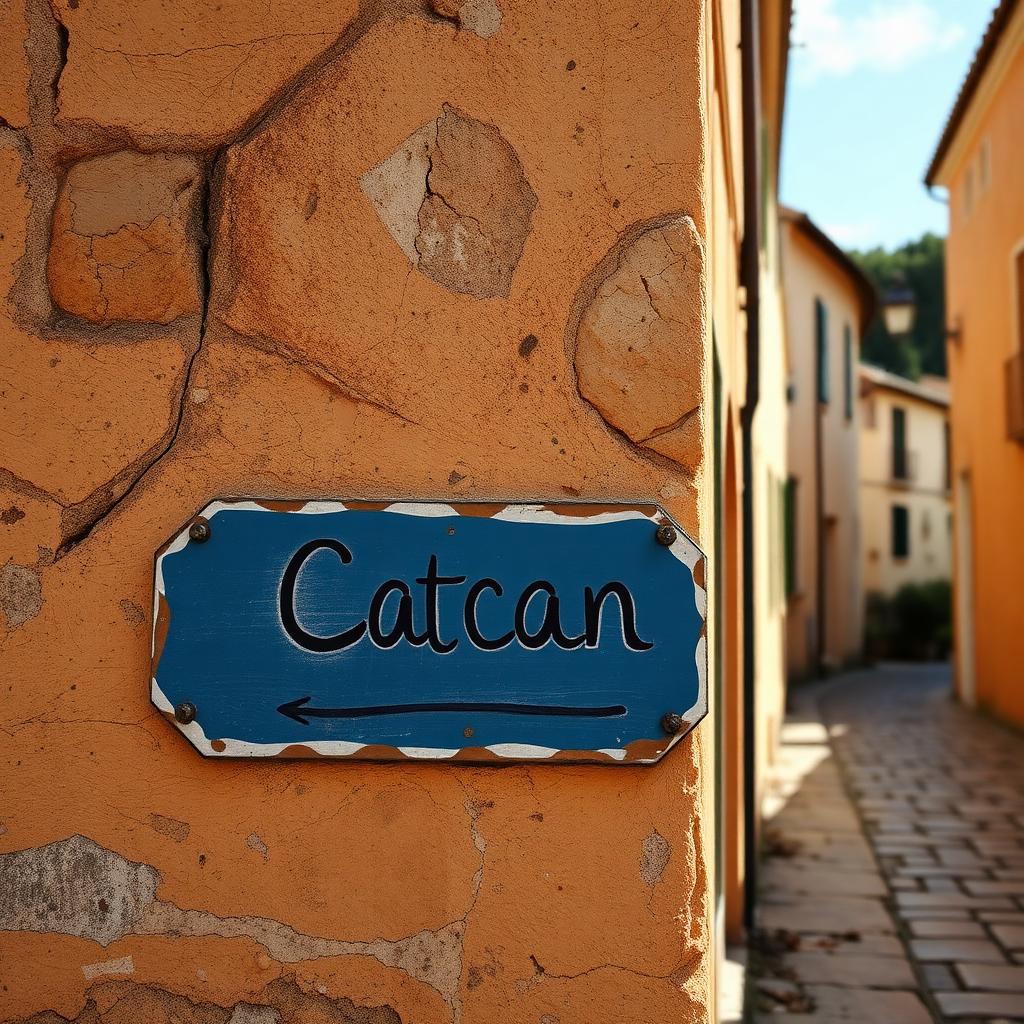
Palma is not just a gateway; it is one of the Mediterranean's most significant historical crucibles. Standing before the golden limestone of La Seu, with the sea breeze coming off the Bay of Palma, you feel the weight of centuries. The city is defined by its 'patios'—the hidden courtyards of noble palaces that offer glimpses of ironwork and marble staircases through heavy wooden doors. To see Palma correctly is to get lost in the Call (the Jewish Quarter) and the winding alleys of the upper town, where the sound of your own footsteps is often the only noise despite the city's status as a global tourism hub.
The Icon: La Seu Cathedral
La Seu is a masterpiece of Gothic architecture, famous for its massive rose window—the 'Gothic Eye'. Inside, the controversial baldachin by Antoni Gaudí and the starkly modern ceramic chapel by Miquel Barceló create a tension between the old and the avant-garde.
- Book tickets online (approx 9 EUR) to skip the morning queue that often stretches across the Parc de la Mar.
- Visit at 09:00 sharp for the 'Morning of Light' sessions if you are in town during February or November for the light alignment.
- The rooftop tours (20 EUR) offer a restricted but breathtaking panoramic view of the bay and the Bellver Castle in the distance.
- Respect the dress code; shoulders and knees should be covered, though the rules are slightly more relaxed than in the past.
- Visit the adjacent Palau de l'Almudaina (7 EUR), the royal residence, for its Moorish arches and Flemish tapestries.
- The Cathedral is closed to tourists during Sunday Mass, though you can attend the service for free to hear the acoustics.
The Secret Patios of the Nobility
Palma has more than 60 historic patios. While many are private residences, others like Can Vivot and Can Oleza are visible from the street. These courtyards were designed to show off wealth while providing a cool microclimate for the Mediterranean summers.
The Art Scene: Beyond the Souvenirs
Palma’s contemporary art scene is world-class. Es Baluard Museum of Modern Art, built into the old city walls, houses works by Picasso, Miró, and Barceló, with a terrace bar that offers the best sunset view in the city.
The Call: The Jewish Quarter
In the narrow bends of the Call, the map becomes irrelevant. Trust the shadows and the scent of damp stone to find the heart of medieval Palma.
- Look for the discrete brass markers on the ground that denote the former boundaries of the medieval Jewish ghetto.
- Visit the Church of Monti-sion, built over the site of the former Great Synagogue; its architectural layers tell the city's complex story.
- The Museu de Mallorca (5 EUR) on Carrer de la Portella provides the best historical overview from Talayotic times to the present.
- Stop at Rialto Living or Can Alomar for a contrast between the historic architecture and high-end modern Mallorcan design.
- The Santa Eulàlia church square is the perfect place for a vermouth; it was the site of the first Christian mass after the 1229 conquest.
- Avoid the main shopping streets of Jaume III if you want to find independent artisans; look instead toward the Gerreria district.
Santa Catalina: Market Life
Just west of the old walls lies Santa Catalina, the former fishermen’s quarter. The market here is the beating heart of Palma's food culture. Take a seat at Bar Joan Frau for a 'tumbet' (vegetable bake) alongside local stallholders.
Ending Your Cultural Circuit
As night falls, the sandstone buildings turn a deep amber. Palma is best experienced when you stop ticking off sights and start soaking in the atmosphere of squares like Plaça de Cort with its ancient olive tree. It is a city that deserves your time, your curiosity, and at least one late-night walk through its dimly lit gothic alleys.